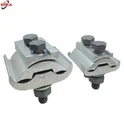
A 90 Degree Steel Lug is an essential component in various industries, particularly in construction and manufacturing. It provides a strong and reliable connection at right - angles, ensuring the structural integrity of different assemblies. However, to maintain its performance and longevity, proper lubrication is crucial. As a leading supplier of 90 Degree Steel Lugs, I'm here to share some in - depth knowledge about how to lubricate these vital parts.
Why Lubricate a 90 Degree Steel Lug?
Before delving into the lubrication process, it's important to understand the benefits of lubricating a 90 Degree Steel Lug. Firstly, lubrication reduces friction between moving parts. When a steel lug is used in applications where there is relative movement, such as in a mechanical joint, friction can cause wear and tear over time. By applying a suitable lubricant, the coefficient of friction is reduced, minimizing wear on the lug and extending its service life.
Secondly, lubrication helps to prevent corrosion. Steel is prone to rusting when exposed to moisture and oxygen. A good lubricant forms a protective barrier on the surface of the steel lug, preventing water and oxygen from coming into direct contact with the metal. This is especially important in outdoor or humid environments where corrosion can occur rapidly.
Finally, proper lubrication can improve the overall efficiency of the system in which the 90 Degree Steel Lug is used. Reduced friction means less energy is wasted in overcoming resistance, leading to smoother operation and potentially lower energy consumption.
Selecting the Right Lubricant
The choice of lubricant depends on several factors, including the operating environment, the type of movement (e.g., sliding, rotating), and the load the lug will bear. Here are some common types of lubricants and their suitability for 90 Degree Steel Lugs:
Greases
Greases are a popular choice for lubricating steel lugs. They are thick and sticky, which allows them to stay in place for longer periods compared to liquid lubricants. Greases are also effective at sealing out contaminants such as dust and dirt. For 90 Degree Steel Lugs used in outdoor applications or in environments with high levels of dust, a lithium - based grease is often a good choice. Lithium greases have good water - resistance and can withstand a wide range of temperatures.
Oils
Liquid oils are another option, especially for applications where a thinner lubricating film is required or where there is high - speed movement. Mineral oils are commonly used for general - purpose lubrication. They are relatively inexpensive and have good lubricating properties. Synthetic oils, on the other hand, offer superior performance in terms of temperature resistance, oxidation stability, and wear protection. However, they are usually more expensive than mineral oils.


Dry Lubricants
Dry lubricants, such as graphite or molybdenum disulfide, are suitable for applications where a clean and dry lubricating surface is needed. They do not attract dust or dirt and can provide good lubrication in high - temperature or high - pressure environments. Dry lubricants are often used in applications where liquid lubricants may not be practical, such as in some electrical or food - processing industries.
The Lubrication Process
Once you have selected the appropriate lubricant, it's time to apply it to the 90 Degree Steel Lug. Here is a step - by - step guide:
Step 1: Clean the Lug
Before applying any lubricant, it's essential to clean the steel lug thoroughly. Use a degreaser or a suitable cleaning agent to remove any dirt, rust, or old lubricant from the surface of the lug. You can use a wire brush or a cloth to scrub the surface gently. After cleaning, rinse the lug with clean water and dry it completely. This ensures that the new lubricant can adhere properly to the surface and provides maximum protection.
Step 2: Apply the Lubricant
The method of application depends on the type of lubricant you are using.
- Greases: If you are using a grease, you can apply it using a grease gun. Insert the grease gun nozzle into the grease fitting on the steel lug (if available) and pump the grease until it starts to come out from the sides of the joint. If there is no grease fitting, you can apply the grease directly to the contact surfaces of the lug using a spatula or a brush. Make sure to cover all the areas that will be in contact with other parts.
- Oils: For liquid oils, you can use a dropper or a spray bottle to apply the oil to the relevant surfaces of the lug. If the lug has small holes or crevices, make sure the oil reaches these areas. You may need to rotate or move the lug slightly to ensure even distribution of the oil.
- Dry Lubricants: Dry lubricants can be applied as a powder or a spray. If using a powder, sprinkle it evenly over the surface of the lug and then use a brush to spread it into all the nooks and crannies. If using a spray, hold the spray can at an appropriate distance from the lug and apply a thin, even coat.
Step 3: Spread the Lubricant
After applying the lubricant, it's important to spread it evenly over the surface of the lug. You can use a clean cloth or a brush to spread the lubricant and ensure that it covers all the areas that will experience friction. This helps to create a uniform lubricating film and maximizes the lubricant's effectiveness.
Step 4: Reassemble or Test
If the steel lug was disassembled for cleaning and lubrication, reassemble it carefully. Make sure all the bolts, nuts, or other fasteners are tightened to the correct torque. After reassembly, test the operation of the system to ensure that the lug is functioning smoothly and that there is no excessive noise or vibration.
Maintenance and Re - lubrication
Lubrication is not a one - time process. Regular maintenance and re - lubrication are necessary to ensure the continued performance of the 90 Degree Steel Lug. The frequency of re - lubrication depends on several factors, including the operating conditions, the type of lubricant used, and the manufacturer's recommendations.
In general, if the lug is used in a high - stress or high - speed application, it may need to be re - lubricated more frequently than in a low - stress or low - speed application. You should also inspect the lug regularly for signs of wear, damage, or lubricant depletion. If you notice any issues, take appropriate action, such as re - lubricating or replacing the lug.
Other Related Products
As a supplier of 90 Degree Steel Lugs, we also offer a range of other high - quality steel products. For example, we have Welding Metal Parts On Bicycle, which are precision - made to ensure strong and reliable connections in bicycle frames. Our Galvanized Z - Shape Steel Bracket is another popular product, known for its excellent corrosion resistance and structural strength. And if you are looking for Hot Dip Galvanized Punching Parts, we have a wide selection to meet your specific requirements.
Conclusion
Proper lubrication of a 90 Degree Steel Lug is essential for maintaining its performance, reducing wear and tear, and preventing corrosion. By following the steps outlined in this blog and selecting the right lubricant for your application, you can ensure that your steel lugs last longer and operate more efficiently.
If you are in the market for high - quality 90 Degree Steel Lugs or any of our other steel products, we invite you to contact us for a purchase negotiation. We are committed to providing the best products and services to meet your needs.
References
- Machinery's Handbook: A comprehensive reference for mechanical engineering and manufacturing, which provides detailed information on lubrication and steel components.
- ASTM International Standards: These standards cover various aspects of steel materials and their applications, including guidelines for lubrication and maintenance.
- Manufacturer's product manuals: The manuals provided by the manufacturers of 90 Degree Steel Lugs and lubricants often contain valuable information on proper use and maintenance.