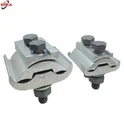
Hey there! I'm a supplier of clevises and hangers, and today I'm gonna talk about the standard sizes of clevises. Clevises are those nifty little U-shaped connectors that are super important in all sorts of industries, from construction to manufacturing. They're used to connect rods, cables, and other components, and getting the right size is crucial for a safe and effective connection.
First off, let's understand what clevises are made of and how they work. Clevises are typically made from materials like steel, stainless steel, or aluminum. Steel clevises are strong and durable, making them a popular choice for heavy-duty applications. Stainless steel clevises are resistant to corrosion, which makes them great for outdoor or wet environments. Aluminum clevises are lightweight, which is useful when weight is a concern.
The standard sizes of clevises are determined by a few key measurements. The most important ones are the pin diameter, the width between the ears of the clevis, and the length of the clevis. These measurements are usually specified in inches or millimeters, depending on the industry and the country.
The pin diameter is the size of the hole in the ears of the clevis where the pin goes through. This is a critical measurement because it determines the strength of the connection. A larger pin diameter can handle more load, so you need to choose the right one based on the application. For example, in a small-scale DIY project, a 1/4 - inch pin diameter might be sufficient. But in a heavy - duty industrial application, you might need a 1 - inch or even larger pin diameter.
The width between the ears of the clevis is also important. It needs to be wide enough to accommodate the component that you're connecting. If it's too narrow, the component won't fit properly, and if it's too wide, the connection will be loose and unstable. Standard widths can range from a few millimeters to several inches, depending on the size of the clevis.
The length of the clevis affects how much of the connected component it can hold. A longer clevis can provide more support and stability, especially when dealing with larger or heavier components.
Now, let's take a look at some common standard sizes. In the United States, the most common sizes are based on the American National Standards Institute (ANSI) standards. For example, a common size for a small - to - medium - sized clevis might have a pin diameter of 3/8 inch, a width between the ears of 1 inch, and a length of 2 inches. These sizes are widely available and are used in a variety of applications, such as in the automotive industry for connecting control rods.
In the metric system, sizes are specified in millimeters. A common metric size could be a pin diameter of 10 mm, a width between the ears of 25 mm, and a length of 50 mm. These metric sizes are more commonly used in industries outside of the United States, especially in Europe and Asia.


When you're choosing the right size of clevis for your project, it's important to consider the load requirements. You need to know how much weight or force the clevis will be subjected to. This information can usually be found in engineering manuals or by consulting with a professional engineer. If you're unsure, it's always better to go with a larger size to ensure safety.
Another factor to consider is the type of connection. There are different types of clevis pins, such as cotter - pin type and threaded type. The type of pin you choose can also affect the overall performance of the clevis. For example, a threaded clevis pin provides a more secure connection than a cotter - pin type, but it might be more difficult to install and remove.
As a clevis and hanger supplier, I offer a wide range of standard sizes to meet different customer needs. Whether you're working on a small home project or a large industrial job, I've got the right clevis for you. And if you can't find the exact size you need, I can also provide custom - made clevises.
Now, I'd like to mention some of the other products we offer. We have a Stainless Steel Wedge Type Fiber Optic Cable Drop Wire Clamp which is great for securing fiber optic cables. It's made of high - quality stainless steel, so it's resistant to corrosion and can withstand harsh environmental conditions.
We also have a Durable Type D Cable Lashing Wire Clamp. This clamp is designed to hold cables in place and is very durable. It's a popular choice in the telecommunications industry.
And for those who need a locking solution, we offer a Stainless Steel Curved Lock Washer. This washer helps to prevent nuts and bolts from loosening, ensuring a secure connection.
If you're in the market for clevises, hangers, or any of our other products, I encourage you to reach out. We're here to help you find the right products for your project and ensure that you get the best value for your money. Whether you have questions about sizing, installation, or anything else, just let us know. We're always happy to assist.
In conclusion, understanding the standard sizes of clevises is essential for any project that involves connecting components. By considering the pin diameter, width between the ears, and length, as well as the load requirements and type of connection, you can choose the right clevis for your needs. And if you need any help or have any questions, don't hesitate to contact us.
References
- American National Standards Institute (ANSI) standards
- Engineering handbooks on mechanical connections
- Industry - specific guidelines for clevis use