


Quality products: We implement different test methods to check the conditions of products for the samples. Once it's done and checked, everything has reached the standard, then we would put into production immediately to ensure the lead time.
Wide range of products: We have rich experience and mature technology, so our products offered comes in more than 500 types. Our main production and processing are metal stamping parts, sheet metal parts, welding assembly parts, vehicle processing parts, fasteners and plastic parts.
Advanced equipment: Our maximum punch is 400T and we own several robot welding machines. Our stamping machine is from 5Ton to 400Ton(Our max punch 400Ton),we can stamp steel with 12-16mm thickness.
Professional team: Since the establishment of our factory for over 20 years, we have been absorbing lots of professionals and technicians committed to the development and continuous improvement of product quality.
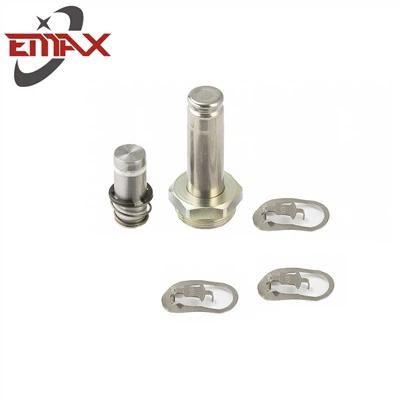
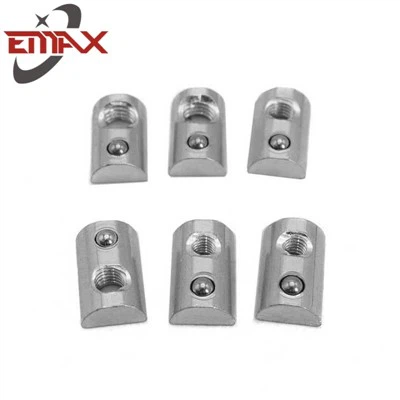
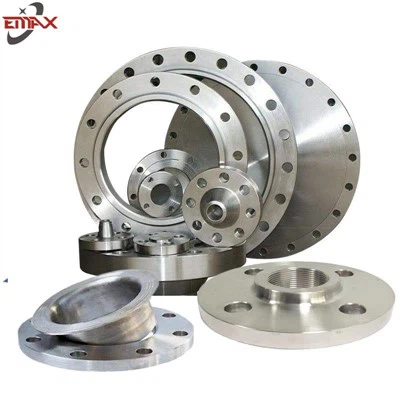
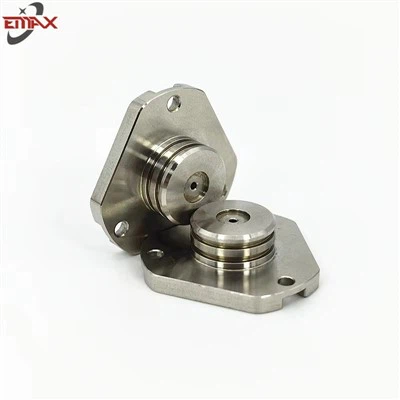
CNC Machining Metal Component
CNC machining metal components are the unsung heroes behind the seamless integration of strength, precision, and versatility in various industries. As key building blocks of countless products, CNC machining metal components play a pivotal role in shaping the modern manufacturing landscape.



Product Categories
Latest Products


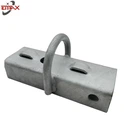


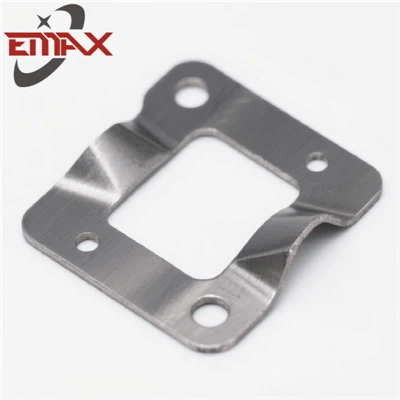
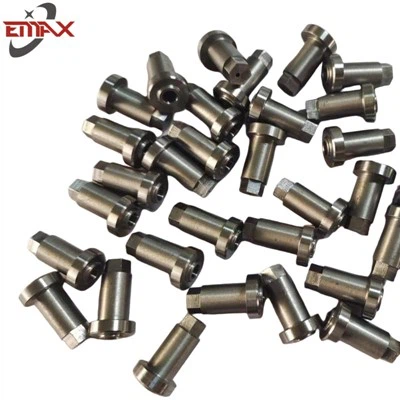
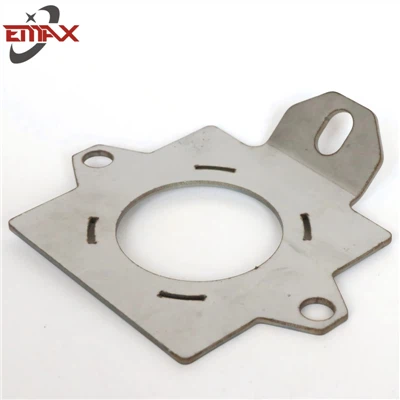
CNC machining metal component is a category with high accuracy in tolerance. The requirement is high and time needs to be spent more, so the price is higher than stamping part in metal hardware industry.
Types of Materials for CNC Machining Metal Component
Aluminum: With good strength capabilities, particularly given its lightweight, this durable metal will not rust or otherwise degrade in water. It doesn’t maintain optimal functionality at high temperatures; however, it is suitable in extremely cold conditions, and its electrical and thermal conductivity makes it useful for aerospace, freshwater marine, and certain appliance or refrigeration applications.
Beryllium: This silvery-white material may be soft, but it has a brittle strength. Of light metals, this low-density material possesses the highest melting point. Integrating beryllium with nickel or copper can improve the alloy’s thermal and electrical conductivity, giving it applications in springs, non-sparking tools, gyroscopes, structural tasks, and aerospace components.
Brass: Brass is a non-sparking, durable zinc and copper alloy that is commonly found in pipe fittings, knobs, furniture hardware, and bolts. It is also a safe material to use in the presence of flammable substances.
Bronze: Bronze is an alloy that has copper as its base metal and some degree of tin or other metals like aluminum, manganese, nickel, and zinc. This durable metal is usually used to manufacture bearings, springs, weapons, armor, turbines, and cookware.
Cadmium: This supremely malleable, soft metal possesses a glossy, bluish-white finish. Cadmium is primarily used in making Ni-Cd batteries. However, this pliable metal also has applications in electroplating steel.
Carbon steel: Carbon steel is an alloy containing steel and varying amounts of carbon. High carbon levels equate to high material strength, with lower levels resulting in increased malleability. Manufacturers use this metal for different mechanical and structural components as well as tools.
Copper: This is a malleable and durable metal with a high level of electrical conductivity. Rather than rust, it can develop an oxidized patina that protects the copper from further corrosion. Common uses include water pipes, fixtures, electronics, and various marine applications.
Magnesium: Lighter than aluminum, magnesium is the most lightweight of the structural metals. It excels in projects where rigidity is most important, and this low-density material has applications in the aerospace, automotive, and manufacturing industries for component housings and enclosures, engine blocks, and more.
Stainless steel: Stainless steel has an attractive, glossy silver finish. These steel alloys incorporate, depending on the exact type, carbon, chromium, silicon, sulfur, titanium, nickel, copper, selenium, niobium, and molybdenum, resulting in a highly corrosion-resistant material with better strength than regular steel. Medical tools, appliances, kitchenware, and more make use of this metal.
Zinc: A metal with a fairly low melting point, zinc is ideal for casting and recycling. Once it’s melted, zinc flows well, and manufacturers commonly apply it as a coat for different metals, especially in galvanizing iron and steel.
How CNC Machining and Turning Works


CNC turning involves the use of either CNC lathes or multi-axis CNC turning centers. Manufacturers use CNC lathes to turn materials for cylindrical and concentric features on parts. Live tooling lathes incorporate end mill cutting tools and drills to produce off-axis features without the need to change platforms. Specialized CNC-lathes, often called Swiss machines, are designed to produce small parts with complex features quickly by combining multiple tools and spindles within the machine.
A typical lathe will rotate the part on a central axis to remove features by engaging rigid cutting tools. Other features performed by a lathe include the creation of internal and external threads, creating flanged features, O-ring grooves, and knurled textures.
CNC lathes and CNC mills have different axis configurations. CNC lathes are typically 3- or 4-axis machines with a single spindle. 3-axis CNC machining works materials on X, Y, and Z axes, removing shavings along these three directions. 4-axis tools incorporate movements outside of concentric features on lathes and a tilt on mills. Lathes are ideal for circular parts and are more operationally intensive for irregular shapes and sharp edges, the reverse for mills.
More modern CNC technologies support up to 5 axes. These tools add tilt and rotation to traditional X, Y, and Z axes, enabling precise cutting for more detailed parts. 5-axis machining is also more efficient as it can create more part features in a single operation. Mills are available in several configurations, often employing 3-, 4-, and 5-axes.
CNC stands for Computer Numeric Controlled, and operators control CNC mills and lathes with G-Code—a programming language that provides machine-movement instructions. Modern programming instructions are created through computer-aided manufacturing (CAM) software. This code instructs the machine where to move the tool head. It also controls its speed and feeds, which are rotation, cut depth, and workpiece movement. The G-Code complexity depends on the machine’s number of axes and the toolsets used.
Mass production of metal component, typically involves a combination of advanced manufacturing processes and techniques. These parts are often made through processes like micro-machining, stamping, micro-injection molding, and electroforming.
Micro-Machining: Micro-machining involves the removal of material from a workpiece to create a part with high precision and small dimensions. This can be done through various methods, including: Micro-Milling: Similar to traditional milling but on a much smaller scale, micro-milling uses tiny cutting tools to remove material from a workpiece.
Micro-Turning: This process uses precision lathes to create small cylindrical parts with high accuracy. Micro-EDM (Electrical Discharge Machining): EDM is a non-contact machining process where a tool electrode creates sparks to erode the workpiece. In micro-EDM, extremely small and precise features can be created.
Stamping: Stamping is a process where a metal sheet is cut, bent, or formed into a desired shape using a stamping die. Progressive stamping, where multiple operations are performed in sequence, is often used to mass-produce metal component.

Micro-Injection Molding: Injection molding is commonly used for producing plastic parts, but micro-injection molding is used to create metal component. It involves injecting molten metal into a mold cavity with extreme precision. This is ideal for producing small, complex shapes.
Electroforming: Electroforming is a process that deposits metal onto a substrate using electroplating techniques. It's used to create extremely thin and intricate metal structures. Electroformed parts are often used in microelectronics and micro-optics.
Laser Cutting and Etching: Lasers can be used to cut, etch, and mark metal sheets with high precision. Laser cutting is particularly useful for creating intricate shapes in metal component.
Chemical Etching: Chemical etching involves selectively removing metal from a sheet using chemical solutions and masks. It is precise and can be used to create intricate patterns and designs on small parts.
Wire EDM (Electrical Discharge Machining): Wire EDM is a process that uses a thin wire as an electrode to cut through metal with high precision. It's often used for parts that require tight tolerances and intricate shapes.
Characteristics of CNC Machining Metal Component Materials
The physical properties of metals are:
Luster
The property of metals which in the pure state usually shines. The shine on the metallic surface is the metallic luster. They shine in light due to the reason that the metals possess free electrons that vibrates on getting in contact with light.
Malleability
Malleability refers to the property of metals by which they can be beaten into thin sheets. One such example is silver metal beaten to make silver foil used for decorating sweets.
Ductility
Ductility refers to the properties of metals by virtue of which they can be drawn into thin wires. One example of ductility is copper and iron which can be drawn in to thin wires.
Conductivity
The metals are a good conductor of heat and electricity as they can pass through them. They are good conductors of heat and electricity. The best conductors of electricity are silver and copper, however, lead and mercury are poor conductors of electricity. They also have a high melting point except Caesium and Galium have the very low melting point.
Sonorous
On being struck hard, the metals produce a ringing sound. Due to this property, they sonorous. For example – the school bell produces a loud ringing sound when stuck with the hammer hard. Some examples are – Iron, Gold, Copper, Aluminium, Magnesium, and many more.
Solid
Except for Mercury, all the metals are solid. Mercury is in the liquid state at room temperature. The exceptional metals are Sodium ( Na), Potassium ( K ) and Mercury. The metals like Sodium ( Na) and Potassium ( K ) are easily cut with the help of a knife. Other examples of metals are iron, copper, silver, aluminum, calcium, gold etc.
Application of CNC Machining Metal Component
Architecture and architecture: CNC machining metal component is an integral part of the building structure, providing support, stability, and safety. Examples include brackets, fasteners, and anchors for the installation of frames, roofs, and doors and windows.
Furniture and cabinets: Hinges, knobs, handles, and drawer slides are common CNC machining metal component components in furniture and cabinets. They achieve mobility and access while enhancing aesthetics.
Automobile and transportation: Vehicles heavily rely on CNC machining metal component, from screws that secure components together to chassis and frame bolts that provide structural integrity.
Electronic and electrical systems: In electronic products, CNC machining metal component components ensure reliable electrical connections. Terminal blocks, connectors, and bolts are used for circuits, power distribution, and grounding.
Home decoration: CNC machining metal component has entered many home decoration projects, such as pipeline fixtures, door locks, and shelves, enhancing functionality and style.
Agriculture and Machinery: Heavy machinery and equipment used in agriculture and construction benefit from the strength and durability of CNC machining metal component, which is fixed together by components such as pins, bolts, and fasteners.
What Factors Affect the Corrosion of CNC Machining Metal Component
Here are the most common factors that influence metal component corrosion:
Humidity: Humidity creates moist conditions for chemical reactions to occur on metal surfaces.
Temperature: Higher temperatures often increase the rate of corrosion by speeding up chemical reactions.
PH levels: The more acidic the environment, the more hydrogen ions form hydrogen gas, which corrodes metals like steel rapidly.
Electrolytes: Electrolytes like saltwater, acid and industrial chemicals can react with metals or enhance their conductivity, which leads to a faster corrosion process.
Electricity: Exposure to electric currents expedites the corrosion process in most metals.
Oxygen: Oxygen can cause metals to corrode through oxidation.
Our Factory
Our company is developing step by step led by Mr.ZHANGXIONG. We moved to our new plant last 2015, Supported by Robot Welding Machines and max 400Ton press. Our main production and processing are metal stamping parts, sheet metal parts, welding assembly parts, vehicle processing parts, fasteners and plastic parts. Our maximum punch is 400T and we own several robot welding machines. Since the establishment of our factory for over 20 years, we have been absorbing lots of professionals and technicians committed to the development and continuous improvement of product quality. We have rich experience and mature technology, so our products offered comes in more than 500 types. More than 90% are exported to European and American countries.

Our Certificate

Exhibition & Customer


FAQ
Q: What is CNC metal?
Q: What are CNC machining metal components?
Q: How to make CNC machining metal components?
Q: How are sheet metal components formed?
Q: Is metal made or natural?
Q: How do you maintain CNC machining metal component?
Q: What are 3 ways to protect CNC machining metal component from corrosion?
Q: How do you clean CNC machining metal component without ruining it?
Q: How do you fix tarnish CNC machining metal component?
Q: What is metal hardware made of?
Q: What are the pros of brass hardware?
Q: What are the names of metal hardware?
Q: What is the best metal for cabinet hardware?
Q: What is a metal hardware?
Q: What CNC machining metal component is in style?
Q: Is CNC machining metal component or brass better?
Q: Which is better CNC machining metal component or steel?
Q: What are 10 types of metal?
Q: How do you identify CNC machining metal component?
Q: How to tell if CNC machining metal component is titanium?
We're well-known as one of the leading cnc machining metal component manufacturers and suppliers in China for over 25 years. Please feel free to buy bulk customized cnc machining metal component at competitive price from our factory. Good service and quality products are available.
metal component suppliers, cnc machining services for metal components of custom metal products, cnc metal machining operations for custom metal product manufacturing