


Quality products: We implement different test methods to check the conditions of products for the samples. Once it's done and checked, everything has reached the standard, then we would put into production immediately to ensure the lead time.
Wide range of products: We have rich experience and mature technology, so our products offered comes in more than 500 types. Our main production and processing are metal stamping parts, sheet metal parts, welding assembly parts, vehicle processing parts, fasteners and plastic parts.
Advanced equipment: Our maximum punch is 400T and we own several robot welding machines. Our stamping machine is from 5Ton to 400Ton(Our max punch 400Ton),we can stamp steel with 12-16mm thickness.
Professional team: Since the establishment of our factory for over 20 years, we have been absorbing lots of professionals and technicians committed to the development and continuous improvement of product quality.
Builders Hardware
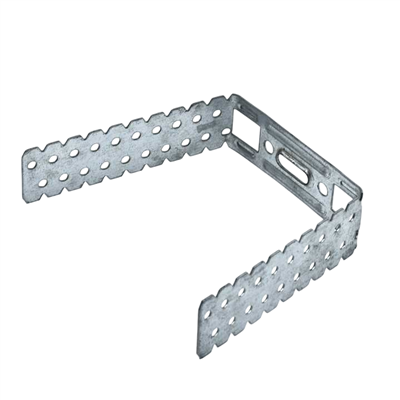
Builders hardware or just builders hardware is a group of metal hardware specifically used for protection, decoration, and convenience in buildings. Building products do not make any part of a building, rather they support them and make them work. It usually supports fixtures like windows, doors, and cabinets. Common examples include door handles, door hinges, deadbolts, latches, numerals, letter plates, switch plates, and door knockers.
Builders hardware is commonly available in brass, steel, aluminium, stainless steel, and iron.




Product Categories
Latest Products




Building Hardware means the OEM metal product which is used for Building Industry. The mainly types are stamping part, casting part and sheet metal part.
How Building Hardware Are Manufactured
The choice of production methods include casting, stamping, CNC machining, laser cutting, and extrusion. With all forms of building hardware, finishing, which involves coating, polishing, painting, and plating, is the key to the appearance and properties of building hardware.
Casting
Casting is a manufacturing process where a molten metal is poured into a mold and allowed to solidify. This process is used to create building hardware with complex and intricate shapes that would be difficult or impossible using other methods. Cast building hardware are made from a wide range of metals, including aluminum, brass, bronze, steel, and stainless steel.
Sand casting, in its many forms, is used the most to produce building hardware with investment casting, clay molding casting, shell casting, die casting, and mold casting being some of the other methods. In each case, the shape and form of the bracket is created in a hollow cavity that is filled with molten metal.
CNC (computer numerical control) machining
CNC machining is a technological process that uses a set of commands fed into the controller of a CNC machine. The commands guide a set of tools to cut, shape, and form building hardware. The process of CNC machining begins with a computer generated rendering created by a designer or engineer. The parameters of the design are downloaded into the CNC machine that converts them into a set of codes that tells a set of tools what procedures to perform.
Stamping
Stamping or pressing forms building hardware by transforming a flat sheet of metal into the shape of the metal bracket. Using a stamping or machining press, sheets of metal are blanked, embossed, bent, flanged, and coined. It is a flexible process that is capable of shaping any type of metal. Stamping is cost-effective and capable of rapidly producing large quantities of building hardware.
The four main types of stamping are progressive stamping, transfer die stamping, fine blanking, and four slide stamping. Progressive stamping and transfer die stamping involve a set of stations where the piece of metal is carried from station to station and are used for building hardware with several bends.
Extrusion
Extrusion is a process where a piece of metal, referred to as a billet, is forced, under pressure, through a die profile that determines the dimensions and thickness of the metal bracket. The metal billet, which normally pretreated to increase its plasticity, is placed in a long heat cylindrical tube where a ram forces it against the die.
Laser cutting
Laser cutting is a cost effective method for the production of custom metal brackets with intricate and complex shapes. The process uses a laser to cut metals with exceptional accuracy and tolerances. Much like CNC machining, laser cutting begins with a computer rendered design that is downloaded into the laser cutter, which directs the high powered laser beam.
The mechanism of the laser has a motion control system or transforms the instructions from the computer design into a system of codes that guide the laser. The metal bracket cuts are clean and precise without burn marks or scorching. Once the bracket is complete, it is removed from the laser cutter and allowed to cool. Laser cutting is typically used in low volume or processes where expensive stamping tool costs can be eliminated.
Types of Building Hardware
While building hardware is classified by supplying at least one of the three attributes listed above, it is usually broken down by where it is used, or by usage.


Bathroom hardware
Bathroom hardware includes the products that are used in constructing and maintaining the bathroom appearance and decoration. Bathroom products includes faucets, showers, holders, tubs, shelves, mirrors etc.
Door hardware
All those products that are used either in door decoration, maintenance, or in any other function come under door hardware, such as door handles, fasteners, hinges, hooks, number plates, knockers, etc.
Furniture hardware
Furniture hardware are those products that are used to support the furniture look, design and durability. Furniture hardware products include furniture frames, furniture legs, furniture arms, etc.
Safety & security hardware
Buildings, goods and their occupants needs protection from fire, intruders, and other external agents. Proper protection systems include fire safe security system, home monitoring, smoke detectors, locksets, window guards, etc.
Plumbing hardware
Plumbing hardware products are used for supplying water throughout the building using hose, pipes and tubes. These hardware products ensure that water is supplied properly and continuously. Since water runs or remains all the time in these products, it is needed that the materials with which these products are highly corrosion resistant and can withstand extreme temperatures. The most common materials are copper, aluminum, steel and PVC.
Cabinet hardware
The products that are used to make cabinets working come under cabinet hardware like cabinet fasteners, brackets, latches, hinges, pulls, locks, etc. Cabinet hardware are small components that make cabinets functional. These products are made of materials like plastics, metals and may be glasses.
Window hardware
Window hardware does not include window itself rather they are smaller components that are used to install, fix and protect windows, such as window extrusions, fasteners, handles, hinges, locks and many more.
Curtain hardware
Curtain hardware includes products like hooks, curtain rings, curtain finials, etc. These products are used to hang curtain at doors, windows, verandas, etc. Curtain hooks and poles are used to handle and move the curtains. Curtain hardware products are made of varieties of materials including metals and plastics. Mostly aluminum and iron are used for making rings, hooks, rods and poles.
Types of Building Hardware Materials
Steel
Steel is an alloy of different elements including manganese, silicon, and carbon. The presence of carbon as iron-carbide (Fe3C) makes steel significantly strong and hard.
Depending on the amount of carbon present, steel can be categorized as low carbon-steel, medium-carbon steel, or high-carbon steel. Low-carbon steels such as mild steel have a carbon content of up to 0.25 %. For medium-carbon steel, the carbon content can reach 0.55%. High-carbon steel has a carbon content of up to 2.1%, which makes them relatively harder and stronger.
Stainless Steel
Stainless steel is different from steel in the sense that steel is based on iron while stainless steel contains chromium. Stainless steel has a characteristic silver mirror coating.
It is easy to use, a reason why many fabricators use it for CNC machined metal parts. Stainless steel is also easy to weld and bend. Due to its chromium content, the metal does not corrode easily, hence its relevance in projects that require corrosion resistance.
Inconel
Inconel is one of the strongest metals available for metal parts manufacturing. It is particularly popular for its ability to operate in high-temperature environments. For a better perspective of the strength of this metal, consider that stainless steel is only 73.2 Kilo pounds per square inch (KSI) in tensile strength compared to Inconel's 160 KSI.
Chrome
Chromium is a hard and brittle transition metal that is greyish. It is remarkably corrosion resistant, instead reacting with the environment to create a chromium oxide layer on stainless steel.
The Moh's hardness scale gives this metal a scale of 8.5, which is easily higher than even the rating of titanium. Given its strength and corrosion resistance, chromium finds widespread application in areas where aesthetics and durability are essential. A good example is in chrome plating.
Titanium
As one of the most abundant materials and with perfect mechanical properties, titanium is also popular in the metal parts fabrication industry.
Aluminum
When a metal parts fabrication project requires a combination of low weight and strength, lightweight aluminum becomes a good choice. Industries that look for the high strength-to-weight ratio of aluminum materials include aerospace and automotive industries. When you add to the mix the versatility, workability, and thermal qualities of some of the aluminum alloys, it is easy to understand why aluminum is one of the most popular metals for sheet metal parts, structural components, metal sheets, and so on.
Anodizing: This process alters the chemistry of a metal component's surface to give it an oxide finish that will resist corrosion and abrasion. It's particularly useful for aluminum parts.
Black oxide coating: By submerging a ferrous metal component into a heated alkaline substance, the material undergoes a chemical reaction resulting in a surface coat of magnetite. The finishing process adds corrosion resistance and pleasing aesthetics while reducing the metal's ability to reflect light.
Electro-polishing: For metals like stainless steel, this process utilizes electric current to take a thin layer of metal from the component's surface, giving the metal a smooth and glossy finish.


Painting: Paint provides a surface coating on the metal to offer increased protection, as well as any desired aesthetics with various color options available.
Plating: Like electro-polishing, plating uses an electric current, but rather than being a subtractive process, plating adds a thin metal layer to a surface. This plating can be of any number of metal types, from zinc and nickel to copper and cadmium. Beyond its attractive appearance, this finish increases resistance to corrosion and abrasion, improving the hardness of the metal's surface.
Polishing: Through abrasion, this process smooths a metal component's edges, polishing the surface to a shine while simultaneously removing defects. Polishing adds corrosion resistance as well.
Powder coating: Manufacturers apply a coating of dry powder to a metal component's surface as part of an electrostatic process, heat-curing it for added durability. Various color options are available, and powder coatings can also be an economical option.
Three Key Factors to Consider When Choosing Building Hardware
Selecting a material type
The first consideration in building hardware is deciding on the material that will be used for the job. Various metals can be used to fabricate metal parts, and these metals can be categorized into two categories, hard and soft. Cost, weight, tensile strength, formability, machinability, and corrosion resistance are all important considerations when it comes to picking a metal for a part. Since different material types can affect a part's performance, appearance, and cost, it's essential to spend some time analyzing the characteristics of each option. By selecting the right material, manufacturers can ensure that the final product will meet the desired specifications and perform optimally.
Deciding between fabrication methods
Once the material has been selected, the next step is to fabricate the metal part. Fabrication methods vary widely depending on the type of part that is being produced, and there are many factors to consider when choosing the right method for a given job. Various fabrication methods can produce different shapes and sizes to meet the desired specifications. Some common component fabrication methods include precision sheet metal fabrication, machining, joining, and welding.
Understanding a part's requirements
When it comes to manufacturing metal parts, some components are more difficult to produce than others. Simple parts can be made in a traditional machine shop, using standard equipment and tools. However, custom parts with specialized requirements may require more complex machinery and expertise. Besides specialized needs, custom parts might also require additional post-fabrication treatments such as surface finishing and heat treatment.
If a part has characteristics like difficult geometric tolerances, strict quality requirements, large overall dimensions, or tight process control, it's best to work with a specialized metal fabricator who has experience in manufacturing complex components.
Our Factory
Our company is developing step by step led by Mr.ZHANGXIONG. We moved to our new plant last 2015, Supported by Robot Welding Machines and max 400Ton press. Our main production and processing are metal stamping parts, sheet metal parts, welding assembly parts, vehicle processing parts, fasteners and plastic parts. Our maximum punch is 400T and we own several robot welding machines. Since the establishment of our factory for over 20 years, we have been absorbing lots of professionals and technicians committed to the development and continuous improvement of product quality. We have rich experience and mature technology, so our products offered comes in more than 500 types. More than 90% are exported to European and American countries.

Our Certificate

Exhibition & Customer


FAQ
Q: What is hardware in a building?
Q: What are building materials hardware?
Q: What is the meaning of architectural hardware?
Q: What is the castle nut used for?
Q: What is the advantage of a castle nut?
Q: What is a castle nut vs normal nut?
Q: Is a castle nut the same as a lock nut?
Q: What is the difference between a slotted nut and a castle nut?
Q: What grade are castle nuts?
Q: Why is my castle nut hole not lining up?
Q: What is a locking cotter pin?
Q: What are the hardware used in architecture?
Q: What is the meaning of architectural hardware?
Q: What is a rounded nut called?
Q: What are round nuts used for?
Q: What is the best cotter pin material?
Q: What is the difference between a cotter pin and a clevis pin?
Q: How to select cotter pin?
Q: Do you bend cotter pins?
Q: What is the difference between a cotter pin and a dowel pin?
We're well-known as one of the leading building hardware manufacturers and suppliers in China for over 25 years. Please feel free to buy bulk customized building hardware at competitive price from our factory. Good service and quality products are available.
stair treads, rivets, handrails