


Quality products: We implement different test methods to check the conditions of products for the samples. Once it's done and checked, everything has reached the standard, then we would put into production immediately to ensure the lead time.
Wide range of products: We have rich experience and mature technology, so our products offered comes in more than 500 types. Our main production and processing are metal stamping parts, sheet metal parts, welding assembly parts, vehicle processing parts, fasteners and plastic parts.
Advanced equipment: Our maximum punch is 400T and we own several robot welding machines. Our stamping machine is from 5Ton to 400Ton(Our max punch 400Ton),we can stamp steel with 12-16mm thickness.
Professional team: Since the establishment of our factory for over 20 years, we have been absorbing lots of professionals and technicians committed to the development and continuous improvement of product quality.
What Are the Products of Car Spare Part
Trailer Modification Accessories Hinge
Flange For Automible
Handle Bracket
Auto Stainless Steel Flange
Automotive Exhaust System Parts
Car Boot Accessories
Black Powder Coated Metal Car Frame Parts
Auto Parts Car Seat Accessories
Guaranteed Quality Proper Price Garage Door Parts Zinc Plated Steel Pulley
Stainless Steel Round Tube


Product Categories
Latest Products
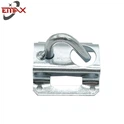


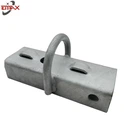


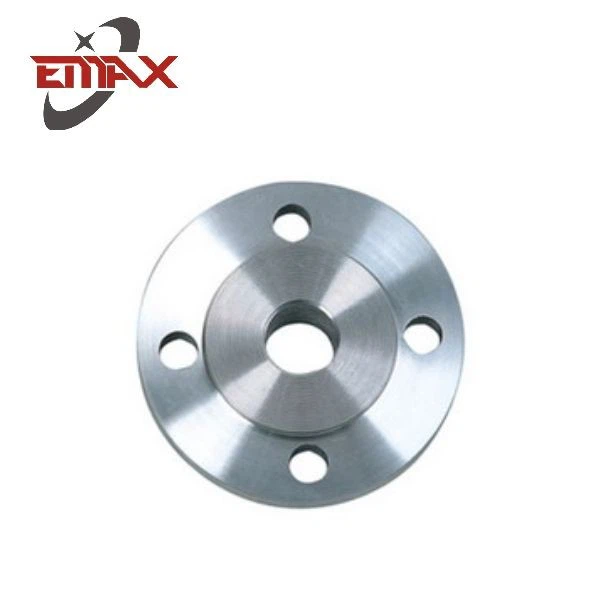
Automotive flanges manufactured with carbon steel, stainless steel or aluminum. Can initially be stamped, blanked or laser cut. Finished via CNC machining and then the surfaces are ground or polished. Used in a variety of applications with gaskets to mount parts to the engine block or other engine components including fuel delivery lines.
Auto Stainless Steel Flange: Types of Stainless Steel
There are five types of stainless steel:
Austenitic: This type is non-magnetic, highly formable, and corrosion resistant, although prone to stress corrosion cracking. It can be cold worked, but not heat treated. It is typically used for bolts, nuts, bushings, valves, and aircraft fittings. Austenitic stainless steels are 200 or 300 series, including 304, the most common stainless steel alloy, and 309. Stainless steel 309 is ideal for high-temperature applications up to 1900°F and is stronger than 304 and has better corrosion resistance. It is also relatively easy to machine.
Ferritic: This type is magnetic and has lower ductility and corrosion resistance than austenitic grades. It has a high resistance to stress corrosion cracking and is often used to make heat exchangers, furnace components, and automotive fasteners. Ferritic stainless steels are 400 series, including 409 which maintains excellent corrosion resistance at high temperatures and is easily machined. Stainless steel 409 is used to make agricultural spreaders, catalytic converters, and exhaust pipes.
Martensitic: Both magnetic and heat treatable, this type has higher strength but lower corrosion resistance than ferritic grades. It is commonly used in aircraft fittings, jet engine parts, rivets, and bushings. Martensitic stainless steels are found in the 400 and 500 series, such as 410, which contains 11.5% chromium. This makes it exceptionally resistant to corrosion from chemicals and acids. Stainless steel 410 is typically used for nuts and bolts. surgical instruments, and petroleum refining equipment.
Precipitation Hardening Grade: These grades are heat treatable and generally have much higher strength than austenitic types. They also retain much of their strength in high temperatures. Often referred to as PH Type stainless steel, they are often used to make military equipment and aircraft structural components.
Duplex: A hybrid of austenitic and ferritic steels, duplex stainless steels feature exceptionally high strength and stress corrosion cracking resistance. They are found in UNS grades and are often used to make chemical processing equipment and pressure vessels. A common duplex stainless steel, S32550, is known for high corrosion resistance and impressive strength.
Benefits of Using Auto Stainless Steel Flange
There are many benefits to using auto stainless steel flange, including:
Corrosion resistance
Stainless steel is highly resistant to corrosion, which makes it ideal for use in parts that are exposed to the elements.
01
Strength and durability
Stainless steel is a strong and durable material that can withstand impact and deformation without compromising its structural integrity.
02
Heat resistance
Stainless steel can withstand high temperatures, which makes it ideal for use in parts that are exposed to extreme heat.
03
Aesthetics
Stainless steel has a shiny, metallic finish that is aesthetically pleasing and can enhance the look of a vehicle.
04
Sustainability
Stainless steel is a sustainable material that can be recycled and reused, which helps to reduce the environmental impact of manufacturing.
05
Common Auto Stainless Steel Flange Manufacturing Methods
Auto stainless steel flanges are manufactured by shaping, then machining, drilling, and finishing to the proper specifications. There are a variety of ways auto stainless steel flanges are made, including cast, cut, and forged manufacturing methods.
The cast manufacturing method begins with molten metal that's poured into a mold to form the desired shape—in this case, a auto stainless steel flange. After the liquid metal has hardened, the mold is opened and the casting is removed, then machined to the necessary dimensions and surface finish. Auto stainless steel flanges produced by casting cost less to produce, and there is less waste involved in the manufacturing process.
The cut auto stainless steel flange (or plate auto stainless steel flange) manufacturing process begins by flattening steel metal stock using rollers to thin the material until it reaches the intended plate thickness. Then, the auto stainless steel flange is cut to the appropriate outer diameter (OD) and inner diameter (ID) (except blind auto stainless steel flanges which have no center bore and do not require an ID) using a torch, laser, or water jet.
Bolt holes and necessary serrations are cut, and the auto stainless steel flange is further machined to exact specifications. Auto stainless steel flanges produced using the cut manufacturing method offer a lower production cost, but more scrap materials waste. Cut auto stainless steel flanges are typically not as strong as auto stainless steel flanges produced using other manufacturing techniques.
Forged auto stainless steel flanges are manufactured by heating steel billets, slabs, or other metal stock, then compressing the material using a power hammer, press, or die to shape the auto stainless steel flange from a solid state. This process develops a continuous grain flow for improved strength. After the auto stainless steel flange is forged, it is machined and finished to the appropriate specifications.
To elevate the mechanical properties of flanges, they undergo various heat treatment processes such as annealing, quenching, or tempering. Heat treatment imparts increased strength, hardness, and resistance to wear and tear, enhancing the overall performance of the flanges.
The flange finish—the roughness or smoothness as well as type of serrations—is completed after the flange is cast, forged, or cut. Flange finish requirements vary based on the selected standard and application. Flange finish options include continuous and concentric serrated, smooth, mill or rolled, and machined finish. We offer modifications to stock items and custom machining so you can get the exact product you need for every application. Protective coatings are applied prior to packaging and shipment.
Flange production techniques, including cast, cut, or forged, can affect the overall performance of the flange.

How Do You Maintain and Clean Your Auto Stainless Steel Flanges to Extend Their Lifespan
Choose the right flange type and size
The first step to maintain and clean your auto stainless steel flanges is to choose the right type and size for your vehicle and exhaust system. There are different types of flanges, such as flat, donut, ball and socket, and three-bolt, each with its own advantages and disadvantages. You need to match the flange type to the shape and diameter of the pipes you are connecting, as well as the amount of clearance and flexibility you need. You also need to measure the bolt pattern and the bore size of the flange to ensure a proper fit. Choosing the wrong flange type or size can lead to leaks, misalignment, or stress on the pipes.
Inspect and replace the flange gaskets
The flange gaskets are the rubber or metal seals that go between the flanges and the pipes to create a tight and leak-free connection. They are exposed to high temperatures, pressure, and vibrations, so they can wear out, crack, or blow out over time. You need to inspect and replace the flange gaskets regularly to prevent exhaust leaks, noise, and emissions problems. You can check the gaskets by looking for signs of damage, such as cracks, holes, burns, or rust. You can also listen for hissing, popping, or rattling sounds from the exhaust system, or use a smoke machine to detect any leaks. To replace the gaskets, you need to remove the flange bolts, separate the pipes, and install new gaskets that match the flange type and size.
Clean and lubricate the flange bolts
The flange bolts are the metal fasteners that hold the flanges and the gaskets together. They are also subject to corrosion, rust, and seizing, which can make them hard to remove or tighten. You need to clean and lubricate the flange bolts regularly to prevent them from getting stuck or breaking. You can clean the bolts by using a wire brush, a penetrating oil, or a rust remover to remove any dirt, grease, or rust. You can also use a torch or a heat gun to loosen any stubborn bolts. You can lubricate the bolts by applying a thin layer of anti-seize compound or grease to the threads and the heads before installing them. This will help them slide in and out easily and prevent them from seizing or galling.
Align and tighten the flanges properly
The final step to maintain and clean your auto stainless steel flanges is to align and tighten them properly after cleaning or replacing them. You need to align the flanges so that they are parallel and flush with each other, and that they match the shape and direction of the pipes. You also need to tighten the bolts evenly and gradually, using a torque wrench or a socket wrench, to create a secure and leak-free seal. You should follow the manufacturer's specifications for the torque value and the tightening sequence for your flange type and size. You should also avoid over-tightening or under-tightening the bolts, as this can cause damage, leaks, or warping.
By following these tips, you can maintain and clean your auto stainless steel flanges effectively and extend their lifespan. This will help you improve your exhaust system's performance, efficiency, and sound quality, as well as reduce your emissions and fuel consumption.
Our Factory
Our company is developing step by step led by Mr.ZHANGXIONG. We moved to our new plant last 2015, Supported by Robot Welding Machines and max 400Ton press. Our main production and processing are metal stamping parts, sheet metal parts, welding assembly parts, vehicle processing parts, fasteners and plastic parts. Our maximum punch is 400T and we own several robot welding machines. Since the establishment of our factory for over 20 years, we have been absorbing lots of professionals and technicians committed to the development and continuous improvement of product quality. We have rich experience and mature technology, so our products offered comes in more than 500 types. More than 90% are exported to European and American countries.

Our Certificate

Exhibition & Customer


FAQ
Q: What are flanges in automotive?
Q: What is the purpose of auto stainless steel flange?
Q: What are stainless steel flanges?
Q: How does auto stainless steel flange connection work?
Q: What is cold metal stamping?
Q: Do you need car seat accessories?
Q: What grade is a stainless steel flange?
Q: How do you clean a stainless steel flange?
Q: How to maintain auto stainless steel flanges?
Q: Would there be any problems if we connect a carbon steel flange to a stainless steel flange?
Q: How do you protect auto stainless steel flange?
Q: Do you need to seal auto stainless steel flange?
Q: How do you remove rust from auto stainless steel flange?
Q: How to prevent galvanic corrosion between steel and stainless steel?
Q: Why choose auto stainless steel flanges?
Q: Why use stainless steel instead of carbon steel?
Q: How long does auto stainless steel flange last?
Q: Why is my auto stainless steel flange not sealing?
Q: How does auto stainless steel flange fail?
Q: Do you need to seal a flange?
We're well-known as one of the leading car spare part manufacturers and suppliers in China for over 25 years. Please feel free to buy bulk customized car spare part at competitive price from our factory. Good service and quality products are available.
automotive differential part, differential spare part, vehicle differential part