A stamping press is a fundamental machine in manufacturing, used to shape, cut, and form metal sheets into desired parts and products. The operation of a stamping press involves several key components and processes that ensure precision and efficiency. Below is an in-depth explanation of how a stamping press works.
Basic Components of a Stamping Press
1. Frame: The structural backbone of the press, providing rigidity and stability.
2. Bed: The lower stationary part where the lower die is mounted.
3. Ram (or Slide): The upper reciprocating part that houses the upper die and delivers the force to the workpiece.
4. Die Set: Includes both the upper and lower dies, which are custom-designed to create specific shapes and features on the metal sheet.
5. Clutch: Engages and disengages the drive mechanism, allowing controlled operation of the press.
6. Motor and Drive System: Provides the necessary power and motion to the ram.
Operation Process
1. Material Preparation: Metal sheets or coils are prepared and fed into the press. The material may be pre-cut to specific sizes or continuously fed from a coil.
2. Alignment and Positioning: The metal sheet is accurately positioned under the die set. This can be done manually or through automated feeding systems that ensure precise alignment.
3. Engagement of Clutch: Once the material is in place, the clutch is engaged. This action connects the motor's rotational motion to the drive system, initiating the downward movement of the ram.
4. Press Action:
- Downward Stroke: As the ram moves downward, it brings the upper die into contact with the metal sheet, which rests on the lower die.
- Forming/Cutting: At the point of contact, immense pressure is applied, causing the metal to deform according to the shape of the dies. This can involve cutting, bending, drawing, or other forming operations.
- Ejection and Upward Stroke: After the forming process is complete, the ram moves upward, returning to its initial position. An ejection mechanism helps remove the formed part from the die.
5. Repetition: The process repeats as new sections of the metal sheet are fed into the press. High-speed presses can perform hundreds or even thousands of strokes per minute, depending on the complexity of the task and the specifications of the machine.
Safety and Precision
- Safety Mechanisms: Modern stamping presses are equipped with safety features such as light curtains, emergency stop buttons, and guards to protect operators from accidents.
- Precision Control: Advanced presses often include CNC (Computer Numerical Control) systems that precisely control the movement of the ram and the positioning of the material. This ensures high accuracy and repeatability in the production process.
Applications
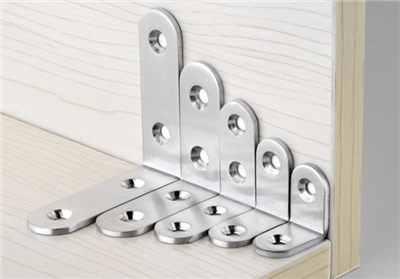
Stamping presses are versatile and find applications in various industries, including automotive, aerospace, electronics, and consumer goods. They are used to produce a wide range of components, from simple brackets to complex automobile body panels.
Conclusion
The operation of a stamping press involves a coordinated sequence of actions designed to transform raw metal sheets into finished products with high precision and efficiency. Understanding the basic components and operational principles of a stamping press is essential for anyone involved in manufacturing and engineering fields. With advancements in technology, these machines continue to evolve, offering greater capabilities and efficiencies in modern industrial settings.