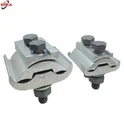
In the realm of pole - line hardware, a deaded bracket is a crucial component that plays a significant role in ensuring the stability and functionality of various electrical and communication systems. However, like any other hardware part, deaded brackets are not immune to abrasive - related problems. As a supplier of deaded brackets, I have witnessed firsthand the challenges that these abrasion issues can pose and understand the importance of addressing them effectively.
Understanding Abrasion in Deaded Brackets
Abrasion is the process of wearing away a material's surface due to friction. In the context of deaded brackets, abrasion can occur in multiple ways. One of the primary causes is the constant movement and vibration of the attached cables or wires. When cables sway in the wind or due to other external forces, they rub against the surface of the deaded bracket. Over time, this continuous rubbing can lead to the removal of the protective coating on the bracket, exposing the underlying metal to corrosion and weakening its structural integrity.


Another source of abrasion is the contact with other hardware components. For example, if a deaded bracket is installed in close proximity to other metal parts, such as Drive Hook Support Drop Wire Clamps, the relative movement between them can cause abrasion. This is especially true in areas with high - traffic or where there are frequent maintenance activities that may cause accidental collisions between different hardware elements.
Consequences of Abrasive - Related Problems
The abrasive - related problems of a deaded bracket can have several negative consequences. Firstly, the loss of the protective coating due to abrasion makes the bracket more susceptible to corrosion. Corrosion can significantly reduce the strength of the bracket, increasing the risk of failure. A failed deaded bracket can lead to the detachment of cables or wires, which can disrupt power supply or communication services. This not only causes inconvenience to consumers but also incurs high repair and replacement costs for utility companies.
Secondly, abrasion can affect the electrical conductivity of the bracket. In some cases, deaded brackets are used in electrical systems where proper conductivity is essential. When the surface of the bracket is worn away, the electrical contact between the bracket and other components may be compromised. This can result in increased resistance, leading to power losses and potential overheating, which can further damage the electrical equipment.
Thirdly, the aesthetic appearance of the installation can be negatively impacted. Abraded deaded brackets may look worn and unappealing, which can be a concern in areas where visual appeal is important, such as urban environments or commercial areas.
Identifying Abrasive - Related Problems
As a supplier, it is essential to help our customers identify abrasive - related problems in deaded brackets. One of the most obvious signs is visible wear on the surface of the bracket. This can include scratches, grooves, or the removal of the paint or coating. Regular visual inspections can help detect these early signs of abrasion.
Another way to identify potential problems is by monitoring the performance of the electrical or communication system. If there are sudden drops in power quality or communication signal strength, it could be an indication of a problem with the deaded bracket. Additionally, any unusual noises, such as rattling or squeaking, may suggest that there is excessive movement and abrasion occurring between the bracket and other components.
Preventive Measures
To address the abrasive - related problems of deaded brackets, several preventive measures can be taken. Firstly, the selection of high - quality materials is crucial. Using brackets made from materials with high abrasion resistance, such as stainless steel or galvanized steel, can significantly reduce the rate of wear. These materials are more durable and can withstand the effects of friction for a longer period.
Secondly, proper installation is essential. Ensuring that the deaded bracket is installed correctly and securely can minimize the movement of cables and wires, reducing the risk of abrasion. This may involve using appropriate fasteners and following the manufacturer's installation guidelines.
Thirdly, the use of protective coatings can provide an additional layer of protection against abrasion. Coatings such as epoxy or powder coatings can help to prevent the direct contact between the bracket and the cables or other hardware components, reducing the friction and wear.
Fourthly, regular maintenance is necessary. Inspecting the deaded brackets periodically and replacing any worn - out parts can prevent the problems from escalating. This can also include cleaning the brackets to remove any debris or contaminants that may contribute to abrasion.
Case Studies
Let's take a look at some real - world examples of abrasive - related problems in deaded brackets and how they were resolved. In a rural power distribution system, the deaded brackets supporting the overhead cables were experiencing significant abrasion due to the strong winds in the area. The constant movement of the cables against the brackets had worn away the protective coating, and corrosion had started to set in. To address this issue, the utility company replaced the old brackets with new ones made from stainless steel. They also installed cable guards to reduce the direct contact between the cables and the brackets. As a result, the rate of abrasion was significantly reduced, and the reliability of the power supply improved.
In another case, a communication network in an urban area had issues with the deaded brackets used to support the fiber - optic cables. The brackets were in close proximity to CABLE RACK HOOK, and the relative movement between them was causing abrasion. The network operator decided to add rubber gaskets between the bracket and the hook to act as a buffer and reduce the friction. This simple solution effectively solved the abrasion problem and prevented any further damage to the brackets and cables.
The Role of a Supplier
As a deaded bracket supplier, our role is not only to provide high - quality products but also to offer comprehensive support to our customers. We can assist in the selection of the most suitable brackets based on the specific application and environmental conditions. Our technical team can provide advice on proper installation techniques and preventive measures to minimize abrasive - related problems.
We also offer after - sales services, including maintenance and replacement of parts. By working closely with our customers, we can help them identify and address any issues promptly, ensuring the long - term performance and reliability of their installations.
Conclusion
Abrasive - related problems in deaded brackets are a significant concern in the pole - line hardware industry. However, by understanding the causes, consequences, and preventive measures, these problems can be effectively managed. As a supplier, we are committed to providing our customers with the best solutions to ensure the durability and functionality of their deaded brackets.
If you are facing any issues related to deaded brackets or are interested in purchasing high - quality products, we invite you to contact us for a detailed discussion. Our team of experts is ready to assist you in finding the most suitable solutions for your specific needs. Whether you need Type D Line Hardware Cable Clamp or other related products, we have the expertise and resources to meet your requirements. Let's work together to ensure the reliability and safety of your pole - line hardware installations.
References
- Engineering Manual of Steel Transmission Towers, American Society of Civil Engineers
- Handbook of Corrosion Engineering, NACE International
- Electrical Power Distribution Handbook, McGraw - Hill Education