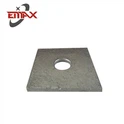
Hey there! As a supplier of Cross Plate Anchors, I often get asked whether these bad boys require more space for installation. Well, let's dive right into it and break it down.
First off, what are Cross Plate Anchors? They're a type of anchor system that's widely used in various construction and infrastructure projects. They're designed to provide a stable and reliable foundation by being embedded deep into the ground. The cross - plate design helps distribute the load more evenly, which is super important for ensuring the long - term stability of whatever structure they're supporting.
Now, onto the big question: do they need more space? The answer isn't a simple yes or no. It depends on a few factors.
Soil Conditions
One of the most significant factors is the soil type. In loose or sandy soil, Cross Plate Anchors might require more space for installation. This is because the soil doesn't provide as much natural resistance as, say, clay or rocky soil. To achieve the same level of holding capacity, you might need to space the anchors further apart. The loose soil can't grip the anchor as well, so spreading them out helps to distribute the load over a larger area and prevent the anchors from pulling out.
For example, if you're installing Cross Plate Anchors in a coastal area with sandy soil, you'll likely need to increase the spacing between each anchor. This is to ensure that the overall structure remains stable, especially when it's exposed to high winds or other external forces. On the other hand, in clay soil, the soil's cohesive nature allows the anchors to be placed closer together. The clay can hold the anchor firmly in place, so you don't need as much space between each one.
Load Requirements
Another factor that affects the installation space is the load that the anchors need to support. If you're building a small shed or a light - duty structure, the load requirements are relatively low. In this case, you can get away with installing the Cross Plate Anchors closer together. The anchors don't have to bear as much weight, so less space is needed for proper installation.
However, if you're constructing a large commercial building or a bridge, the load requirements are much higher. You'll need to space the anchors further apart to handle the increased weight. The additional space allows each anchor to have its own area of influence in the soil, which helps to prevent over - stressing any single anchor. This is crucial for maintaining the structural integrity of the entire project.
Installation Method
The way the Cross Plate Anchors are installed also plays a role in the space needed. Some installation methods require more room for the equipment to operate. For instance, if you're using a large hydraulic drill to install the anchors, you'll need enough space around the drill to maneuver it safely. This means that you might have to increase the overall installation area to accommodate the equipment.
On the other hand, if you're using a manual installation method, you might be able to get away with a smaller installation space. Manual installation is often more suitable for smaller projects where the equipment requirements are minimal.
Comparing with Other Anchor Types
When we compare Cross Plate Anchors with other types of anchors, it's clear that they don't always require more space. For example, screw anchors often need a certain amount of space between each screw to prevent interference during installation. The screws need to be turned into the ground, and if they're too close together, they can disrupt each other's installation process.
In contrast, Cross Plate Anchors can sometimes be installed in a more compact arrangement, especially in favorable soil conditions. They don't rely on a rotating motion like screw anchors, so there's less concern about interference between adjacent anchors.
Now, let's talk about some related products that you might find useful in your projects. If you're working on a pole - line project, you might be interested in the Durable Type D Cable Lashing Wire Clamp. This clamp is designed to securely hold cables in place, providing added stability to your pole - line infrastructure.
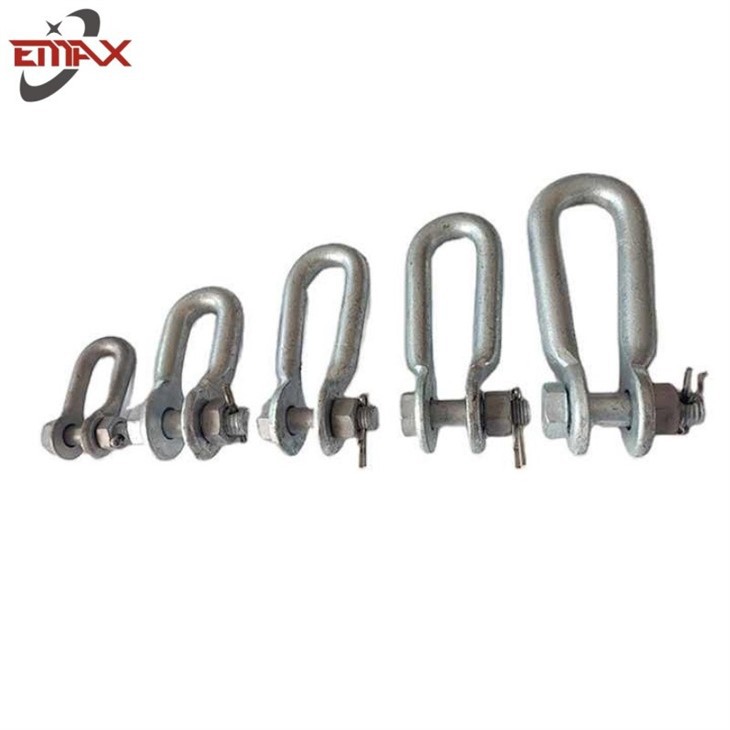
Another great product is the U - Shaped Hanging Ring. It's a versatile component that can be used for a variety of applications, such as hanging equipment or supporting cables. And if you need to secure objects with a single point of attachment, the One Hole Clamp is a great option. It's simple yet effective, making it a popular choice among contractors.
In conclusion, whether Cross Plate Anchors require more space for installation depends on several factors, including soil conditions, load requirements, and the installation method. In some cases, they might need more space, but in others, they can be installed in a relatively compact arrangement.

If you're planning a project and need Cross Plate Anchors or any of our other products, I'd love to chat with you. We have a wide range of high - quality anchors and related hardware that can meet your specific needs. Don't hesitate to reach out for a consultation and let's work together to make your project a success.
References
- Geotechnical Engineering textbooks on anchor design and installation
- Industry reports on the use of Cross Plate Anchors in different soil conditions