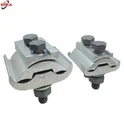
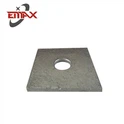
As a trusted U Shape Spacer supplier, I often encounter inquiries from customers regarding the chemical resistance of our products. Chemical resistance is a crucial factor, especially in industries where U Shape Spacers are exposed to various chemical substances. In this blog post, I will delve into the details of whether U Shape Spacers are resistant to chemicals, exploring the materials used, the influencing factors, and real - world applications.
Materials Used in U Shape Spacers and Their Chemical Resistance
The chemical resistance of U Shape Spacers largely depends on the materials from which they are made. Commonly, U Shape Spacers can be fabricated from a variety of materials, each with its unique chemical resistance profile.
Stainless Steel
Stainless steel is a popular choice for U Shape Spacers due to its excellent corrosion resistance. It contains chromium, which forms a passive oxide layer on the surface of the metal. This layer acts as a barrier, protecting the steel from further oxidation and corrosion by many chemicals. For example, in marine environments where the spacers may be exposed to saltwater, stainless - steel U Shape Spacers can withstand the corrosive effects of chloride ions.
However, the resistance of stainless steel is not universal. In highly acidic or alkaline environments, especially those with high concentrations of specific chemicals like sulfuric acid or sodium hydroxide, even stainless steel can be attacked. The type of stainless steel also matters; for instance, austenitic stainless steels (such as 304 and 316) generally offer better corrosion resistance compared to martensitic or ferritic stainless steels in many chemical media.
Plastic Materials
Plastics, such as polypropylene (PP) and polytetrafluoroethylene (PTFE), are also used to manufacture U Shape Spacers. Polypropylene has good chemical resistance to many organic solvents, acids, and alkalis. It is resistant to a wide range of common industrial chemicals at room temperature. For example, it can resist the action of acetic acid, citric acid, and most dilute acids and alkalis.
PTFE, on the other hand, is known for its outstanding chemical resistance. It is inert to almost all chemicals, including strong acids (such as sulfuric acid, nitric acid) and strong alkalis. This makes PTFE U Shape Spacers suitable for use in extremely harsh chemical environments, such as in chemical processing plants or laboratories where highly reactive chemicals are handled.
Factors Influencing Chemical Resistance
Several factors can influence the chemical resistance of U Shape Spacers, regardless of the material they are made from.
Temperature
Temperature plays a significant role in chemical resistance. As the temperature increases, the chemical reactivity of substances generally increases. For example, a U Shape Spacer that can resist a certain chemical at room temperature may start to degrade when exposed to the same chemical at elevated temperatures. Most plastics become more susceptible to chemical attack at high temperatures as the molecular structure becomes more mobile, allowing chemicals to penetrate more easily.
Chemical Concentration
The concentration of the chemical also affects the resistance of U Shape Spacers. A spacer may be able to withstand a dilute solution of a particular chemical but may be damaged by a concentrated solution. For example, stainless - steel U Shape Spacers may resist a dilute hydrochloric acid solution but can be rapidly corroded by a concentrated hydrochloric acid solution.
Exposure Time
The length of time the U Shape Spacer is exposed to the chemical is another important factor. Prolonged exposure to a chemical, even at a low concentration or moderate temperature, can lead to cumulative damage. For instance, a plastic spacer may show no visible signs of damage after a short - term exposure to a chemical, but over a long period, the chemical may cause swelling, cracking, or a loss of mechanical properties.
Real - World Applications and Chemical Resistance Requirements
U Shape Spacers are used in a wide range of industries, each with its own unique chemical exposure conditions.
Telecommunications Industry
In the telecommunications industry, U Shape Spacers are often used in outdoor installations. They may be exposed to environmental chemicals such as atmospheric pollutants, bird droppings, and rainwater, which can contain dissolved acids. Here, materials with good general corrosion resistance, like stainless steel or certain plastics, are preferred. For auxiliary hardware, you might also be interested in our Cable Lashing Wire Clamp Span Clamp, which can complement the use of U Shape Spacers in telecommunication setups.
Industrial Manufacturing
In industrial manufacturing plants, U Shape Spacers can be exposed to a variety of industrial chemicals. For example, in a chemical processing plant, they may come into contact with acids, alkalis, and solvents. Depending on the specific chemicals used in the process, appropriate materials need to be selected. PTFE spacers are often used in high - risk chemical environments, while stainless - steel spacers can be sufficient for less aggressive chemical conditions. Additionally, for steel beam installations in industrial settings, our C Channel Strut Clamp For Steel Beam Installation can be a great addition.
Construction Industry
In the construction industry, U Shape Spacers may be exposed to concrete additives, cleaning agents, and other construction - related chemicals. Stainless - steel spacers are commonly used due to their good corrosion resistance against these substances. In some cases, where the spacers need to be used in areas with high humidity or potential chemical spills, plastic spacers may also be a viable option. And for heavy - duty applications in construction, our Heavy Duty Stainless Steel Two Holes Clamp can provide additional support.
How to Ensure Chemical Resistance in Your Applications
As a U Shape Spacer supplier, I recommend the following steps to ensure that the spacers you choose have the appropriate chemical resistance for your application:


- Understand the Chemical Environment: Clearly identify the chemicals, their concentrations, temperatures, and exposure times that the U Shape Spacers will be subjected to.
- Select the Right Material: Based on the chemical environment, choose the most suitable material for your U Shape Spacers. Consult with material experts or refer to chemical resistance charts if necessary.
- Conduct Testing: If possible, conduct small - scale tests on sample U Shape Spacers in the actual chemical environment to verify their performance.
- Regular Inspection: Once the spacers are installed, regularly inspect them for signs of chemical damage, such as corrosion, swelling, or cracking.
Conclusion
In conclusion, the chemical resistance of U Shape Spacers is a complex topic that depends on the material used, the chemical environment, and other influencing factors. While some materials like PTFE offer excellent chemical resistance, others may have limitations. As a U Shape Spacer supplier, I am committed to providing high - quality products that meet the specific chemical resistance requirements of different industries.
If you are interested in purchasing U Shape Spacers or need further information on chemical resistance, please feel free to contact us for a detailed discussion. We can help you select the most suitable products for your applications.
References
- "Materials Science and Engineering: An Introduction" by William D. Callister, Jr. and David G. Rethwisch
- "Handbook of Corrosion Data" by Bruce D. Craig