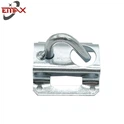
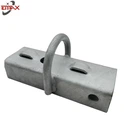
Stamping parts refer to components that are manufactured through a process known as stamping, which is a form of sheet metalworking. This process involves placing flat metal sheets into a stamping press where a tool and die surface forms the metal into a desired shape. Stamping is commonly used for manufacturing parts in large quantities due to its efficiency and ability to produce complex shapes with high precision.
Applications of Stamping Parts
Stamping parts find applications across various industries, including automotive, aerospace, electronics, and construction. They are used in the production of car bodies, electronic enclosures, metal furniture, and many other products. The versatility of stamping allows for the creation of both simple and intricate parts, making it an essential manufacturing technique.
Types of Stamping Operations
There are several types of stamping operations, each serving different purposes:
1. Blanking: Cutting out a piece of material from a larger sheet.
2. Piercing: Creating holes in the material.
3. Forming: Shaping the material without cutting it, such as bending or drawing.
4. Coining: Applying high pressure to the material to create a sharp impression.
5. Trimming: Removing excess material from the edges of a part.
Advantages of Stamping
The stamping process offers several advantages:
1. High Production Rates: Stamping presses can produce parts quickly, making it ideal for mass production.
2. Consistency: Each stamped part is identical, ensuring consistent quality.
3. Cost-Effective: The initial setup cost can be high, but the per-unit cost is low due to the efficiency of the process.
4. Complex Shapes: Stamping can create parts with complex geometries that would be difficult or impossible to produce by other means.
Challenges in Stamping
Despite its benefits, stamping also presents some challenges:
1. Tooling Costs: Designing and manufacturing custom dies can be expensive.
2. Material Limitations: Not all materials are suitable for stamping, especially those that are too hard or brittle.
3. Quality Control: Ensuring that every part meets specifications requires rigorous quality control processes.
Conclusion
Stamping parts play a crucial role in modern manufacturing, offering a reliable and efficient way to produce a wide range of components. Understanding the capabilities and limitations of stamping is essential for manufacturers looking to optimize their production processes. As technology continues to advance, we can expect further innovations in stamping techniques, leading to even more precise and efficient production methods.