Everything you need to know about cable glands
Cable glands are usually made of metallic or non-metallic materials. These materials should be corrosion resistant according to specific standards determined by corrosion resistance tests. Cable joints are mainly used as sealing and termination tools to ensure the safety of electrical appliances and equipment. When used in highly flammable environments, it is important to ensure that the cable gland fits and meets the standards for the specific type of cable. However, we will discuss some valuable information regarding the use of cable glands in this article. So, read this article and learn everything you need to know about cable glands.
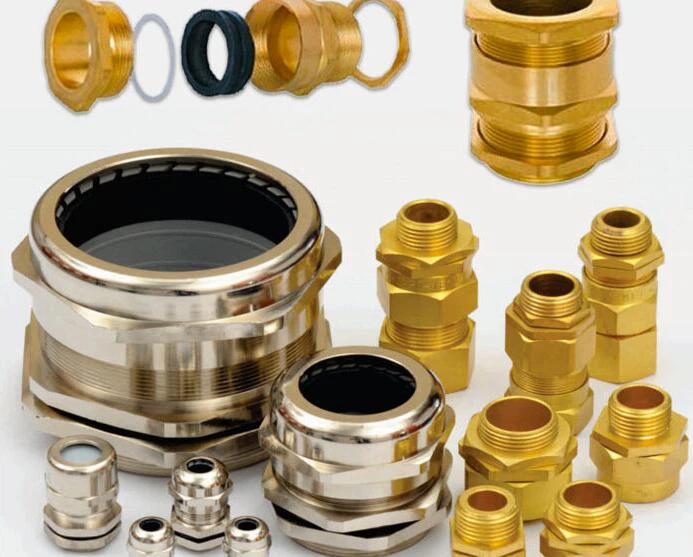
What does cable joint mean?
A cable gland is also known as a "mechanical cable entry device" which remains attached to the end of the cable to ensure that the electrical equipment connected to it is protected from any explosive situation. In the electrical field, these cable glands are often called cable connectors, clamps, cable accessories, etc. These devices are suitable for cables with diameters of 1 mm and 75 mm respectively.
Always remember that non-armoured cable glands are preferred for fixed installations as there is no risk of mechanical damage. To write down everything you need to know about cable glands, you should first understand their usage. Some of its utilities are as follows.
Cable glands protect electrical equipment from short circuit damage.
It acts as a holding force on the cable to ensure it gets enough resistance.
Cable glands provide environmental protection for cables, such as against dust or water.
It provides additional sealing protection to the cable.
Cable glands manage the ingress protection capabilities of cable entry points by providing additional environmental sealing.
How to choose the best cable gland?
There are some important factors you should consider before choosing the cable gland that is best for you.
You need to use the cable gland to get back the diameter of the wire hole.
Is the cable diameter sufficient?
Evaluate whether the cable gland has an adequate pressure rating for your application.
Then check whether the diameter of the mounting hole is comprehensive.
Gland thread sizes and depths are metric.
Do I need to plug unused cable openings?
in conclusion:
Hopefully you now know everything you need to know about cable glands. Furthermore, you can choose the best cable gland for your electrical wiring with the help of the information we mentioned above.