


What is the thermal expansion coefficient of a wire rope thimble?
As a dedicated supplier of wire rope thimbles, I often encounter inquiries from customers about various technical aspects of our products. One question that frequently comes up is regarding the thermal expansion coefficient of a wire rope thimble. In this blog post, I aim to shed light on this important topic and provide a comprehensive understanding of what the thermal expansion coefficient means for wire rope thimbles.
Understanding Thermal Expansion
Thermal expansion is a fundamental physical phenomenon that occurs when a material changes its dimensions in response to a change in temperature. When a material is heated, its atoms or molecules gain energy and start to vibrate more vigorously. This increased vibration causes the material to expand as the average distance between the atoms or molecules increases. Conversely, when a material is cooled, it contracts as the atoms or molecules lose energy and the average distance between them decreases.
The thermal expansion of a material is typically characterized by its thermal expansion coefficient, which is a measure of how much the material expands or contracts per unit length or volume for a given change in temperature. There are two main types of thermal expansion coefficients: the linear thermal expansion coefficient (α) and the volumetric thermal expansion coefficient (β).
The linear thermal expansion coefficient (α) is defined as the fractional change in length per unit length per degree change in temperature. Mathematically, it can be expressed as:
α = (ΔL / L₀) / ΔT
where ΔL is the change in length, L₀ is the original length, and ΔT is the change in temperature.
The volumetric thermal expansion coefficient (β) is defined as the fractional change in volume per unit volume per degree change in temperature. For isotropic materials (materials that have the same properties in all directions), the volumetric thermal expansion coefficient is approximately three times the linear thermal expansion coefficient:
β ≈ 3α
Thermal Expansion Coefficient of Wire Rope Thimbles
Wire rope thimbles are typically made from materials such as steel, stainless steel, or aluminum. Each of these materials has its own unique thermal expansion coefficient, which can vary depending on the specific alloy and composition.
- Steel Wire Rope Thimbles: Steel is a commonly used material for wire rope thimbles due to its high strength and durability. The linear thermal expansion coefficient of steel typically ranges from approximately 10 × 10⁻⁶ /°C to 13 × 10⁻⁶ /°C. This means that for every 1°C increase in temperature, a steel wire rope thimble will expand by about 10 to 13 micrometers per meter of length.
- Stainless Steel Wire Rope Thimbles: Stainless steel is another popular choice for wire rope thimbles, especially in applications where corrosion resistance is required. The linear thermal expansion coefficient of stainless steel is generally slightly higher than that of carbon steel, ranging from approximately 16 × 10⁻⁶ /°C to 18 × 10⁻⁶ /°C.
- Aluminum Wire Rope Thimbles: Aluminum is a lightweight and corrosion-resistant material that is sometimes used for wire rope thimbles in applications where weight is a concern. The linear thermal expansion coefficient of aluminum is relatively high, typically around 23 × 10⁻⁶ /°C. This means that aluminum wire rope thimbles will expand more than steel or stainless steel thimbles for the same change in temperature.
Importance of Thermal Expansion in Wire Rope Thimbles
The thermal expansion coefficient of a wire rope thimble is an important consideration in many applications, especially those where the temperature can vary significantly. Here are some key reasons why thermal expansion is important:
- Fit and Functionality: When a wire rope thimble is installed in a system, it needs to fit properly and maintain its functionality over a range of temperatures. If the thermal expansion of the thimble is not taken into account, it could lead to issues such as loose or tight fits, which could affect the performance and safety of the system.
- Stress and Fatigue: Thermal expansion and contraction can cause stress and fatigue in the wire rope thimble and the surrounding components. Over time, these stresses can lead to premature failure of the thimble or other parts of the system. By understanding the thermal expansion coefficient of the thimble, engineers can design systems that can accommodate these changes and minimize the risk of failure.
- Compatibility with Other Materials: In many applications, wire rope thimbles are used in conjunction with other materials, such as ropes, cables, and fittings. It is important to ensure that the thermal expansion coefficients of these materials are compatible to avoid issues such as differential expansion, which could cause misalignment or damage to the components.
Considerations for Design and Installation
When designing and installing wire rope thimbles, it is important to take the thermal expansion coefficient into account. Here are some key considerations:
- Material Selection: Choose a material for the wire rope thimble that has a thermal expansion coefficient that is compatible with the other materials in the system. This will help to minimize the risk of differential expansion and ensure a proper fit and functionality over a range of temperatures.
- Allowance for Expansion: When designing the system, make sure to allow for sufficient clearance or flexibility to accommodate the thermal expansion and contraction of the wire rope thimble. This could involve using expansion joints, flexible connections, or other design features that can absorb the changes in length or volume.
- Temperature Range: Consider the expected temperature range of the application and ensure that the wire rope thimble is designed to withstand these temperatures without significant degradation of its properties. This may involve selecting a material with a higher melting point or using heat-resistant coatings or treatments.
Related Products
In addition to wire rope thimbles, our company also offers a wide range of other products for the power utility and pole line hardware industries. Some of our popular products include:
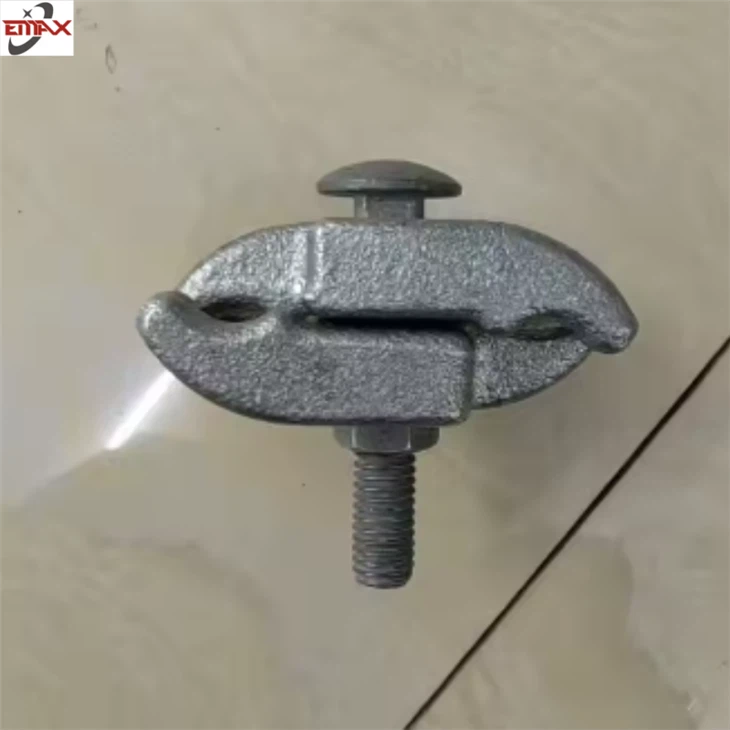
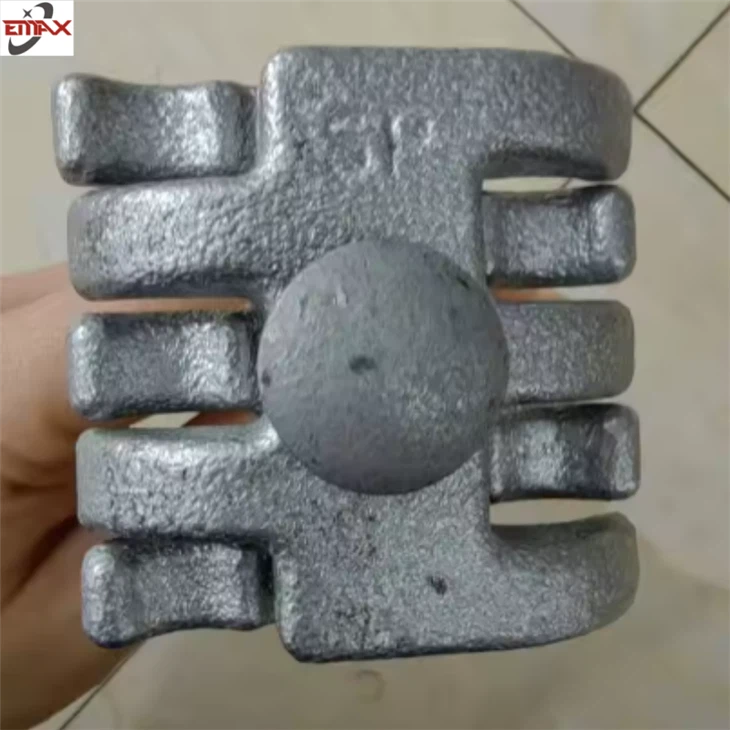
- Power Utility Hardware Parallel Groove Clamp: These clamps are used for connecting and securing electrical conductors in power distribution systems.
- HDG Pole Clamp: These clamps are designed to provide a secure and reliable connection between poles and other structures in pole line installations.
- Hook Bolt Socket Clevis Fitting: These fittings are used for connecting and adjusting the tension of wire ropes and cables in various applications.
Contact Us for Procurement
If you are interested in purchasing wire rope thimbles or any of our other products, we encourage you to contact us for procurement and further discussions. Our team of experts is available to provide you with detailed information, technical support, and competitive pricing. Whether you have a specific project in mind or need assistance with product selection, we are here to help you find the right solutions for your needs.
References
- Callister, W. D., & Rethwisch, D. G. (2014). Materials Science and Engineering: An Introduction. Wiley.
- Ashby, M. F., & Jones, D. R. H. (2012). Engineering Materials 1: An Introduction to Properties, Applications, and Design. Butterworth-Heinemann.


