In the realm of electrical and mechanical systems, metal wire connectors play a pivotal role. As a trusted supplier of metal wire connectors, I've witnessed firsthand the diverse applications and requirements that these connectors serve. In this blog post, I'll delve into the differences between various types of metal wire connectors, shedding light on their unique features, applications, and advantages.
1. Types of Metal Wire Connectors
Soldered Connectors
Soldered connectors are one of the most traditional and reliable methods of joining wires. They involve melting a filler metal, usually solder, to create a permanent bond between the wires. The process requires skill and precision, as proper heating and application of solder are crucial for a strong connection.
Soldered connections offer excellent electrical conductivity and mechanical strength. They are commonly used in applications where a stable and low - resistance connection is essential, such as in electronic circuits, printed circuit boards (PCBs), and high - end audio equipment. However, soldering is a time - consuming process and may not be suitable for quick repairs or applications where disassembly is required.
Crimped Connectors
Crimped connectors are another popular choice. They work by using a special tool to compress a metal sleeve around the wires, creating a mechanical and electrical connection. Crimping is a faster process compared to soldering and can be easily performed on - site.
There are different types of crimped connectors, including butt connectors, spade terminals, and ring terminals. Butt connectors are used to join two wires end - to - end, while spade and ring terminals are designed to connect wires to a terminal block or a screw - type connection. Crimped connectors are widely used in automotive, aerospace, and industrial applications due to their reliability and ease of installation. For example, in automotive wiring harnesses, crimped connectors ensure a secure connection between various electrical components.
Wrapped Connectors
Wrapped connectors involve wrapping a wire around a terminal post or another wire. This method is relatively simple and inexpensive. It is often used in low - voltage and low - current applications, such as in some types of household electrical wiring or in educational settings.
However, wrapped connections may not provide the same level of mechanical strength and electrical conductivity as soldered or crimped connections. They are more prone to loosening over time, especially in environments with vibration or movement.
2. Material Differences
Copper Connectors
Copper is a popular choice for metal wire connectors due to its excellent electrical conductivity. It has low resistance, which means less power loss in electrical circuits. Copper connectors are widely used in electrical distribution systems, from residential wiring to large - scale industrial power grids.
They are also relatively easy to work with, whether it's soldering, crimping, or wrapping. However, copper is prone to oxidation, which can affect its conductivity over time. To prevent oxidation, copper connectors are often coated with tin or other anti - oxidant materials.
Aluminum Connectors
Aluminum is another material used for wire connectors, especially in high - voltage transmission lines. Aluminum is lighter and less expensive than copper, which makes it a cost - effective option for large - scale projects.
However, aluminum has higher resistance than copper, which can lead to more power loss. Additionally, aluminum connectors require special installation techniques to prevent issues such as galvanic corrosion when in contact with copper wires. This is because when aluminum and copper are in contact in the presence of an electrolyte (such as moisture), a chemical reaction can occur that can damage the connection.
Stainless Steel Connectors
Stainless steel connectors are known for their corrosion resistance. They are commonly used in harsh environments, such as marine applications, chemical plants, and outdoor electrical installations. Stainless steel connectors can withstand exposure to saltwater, chemicals, and extreme weather conditions without rusting or corroding.
However, stainless steel has lower electrical conductivity compared to copper, so it may not be the best choice for applications where high - conductivity is a top priority.
3. Application - Specific Connectors
Cable Clamp For Wire Fastening
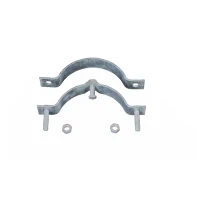
Cable clamps are used to secure wires and cables in place. They come in various shapes and sizes, and can be made from different metals. A cable clamp provides mechanical support to prevent wires from moving or vibrating, which can cause damage to the wires or the connectors over time.
In pole - line hardware applications, cable clamps are essential for keeping power cables and communication cables in position on utility poles. They are designed to withstand high tension and environmental factors, ensuring the reliability of the electrical and communication systems.
T Bracket For Electrical Wiring
T brackets are used in electrical wiring to provide support and routing for wires. They are typically installed on walls, panels, or other structures to create a stable framework for the wires. T brackets can be used in both indoor and outdoor electrical installations, and are available in different sizes and configurations to meet various application requirements.
For example, in a commercial building's electrical system, T brackets can be used to organize and secure the wiring in ceiling cavities or along walls, making it easier to manage and maintain the electrical infrastructure.
L S Corner Bracket
L S corner brackets are used to make right - angle turns in wire routing. They are commonly used in electrical enclosures, cabinets, and other confined spaces where wires need to be routed around corners. L S corner brackets provide a smooth and secure path for the wires, preventing damage to the insulation and ensuring proper electrical performance.
4. Choosing the Right Connector
When selecting a metal wire connector, several factors need to be considered. Firstly, the electrical requirements of the application, such as voltage, current, and frequency, are crucial. For high - current applications, connectors with low resistance, such as copper or properly installed aluminum connectors, are preferred.
Secondly, the environmental conditions play a significant role. In a corrosive environment, stainless steel or coated connectors are a better choice. If the application involves vibration or movement, crimped or soldered connectors may be more suitable than wrapped connectors.


The installation method is also important. If quick installation is required, crimped connectors are a good option. For applications where a permanent and highly reliable connection is needed, soldered connectors may be the best choice.
5. Why Choose Our Metal Wire Connectors
As a supplier of metal wire connectors, we offer a wide range of products to meet different customer needs. Our connectors are made from high - quality materials, ensuring excellent electrical conductivity and mechanical strength. We have strict quality control measures in place to ensure that each connector meets the highest standards.
Whether you need copper, aluminum, or stainless steel connectors, or specific application - oriented connectors like cable clamps, T brackets, or L S corner brackets, we have the solutions. Our experienced team can provide technical support and guidance to help you choose the right connector for your project.
If you're in the market for metal wire connectors, I encourage you to reach out to us for a detailed discussion. We're committed to providing the best products and services to our customers. Whether it's a small - scale residential project or a large - scale industrial application, we can meet your requirements. Contact us today to start the procurement process and let's work together to ensure the success of your electrical and mechanical systems.
References
- Grob, Bernard. "Basic Electronics." McGraw - Hill Education, 2007.
- National Electrical Code (NEC). NFPA 70, National Fire Protection Association, 2020.
- "Handbook of Electrical Engineering." CRC Press, 2018.