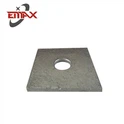
When it comes to calculating the number of Cross Plate Anchors, several critical factors need to be taken into account to ensure the safety, stability, and efficiency of the overall project. As a Cross Plate Anchor supplier, I have witnessed firsthand the importance of a comprehensive approach to this calculation. In this blog, I will delve into the key factors that should be considered when determining the appropriate number of Cross Plate Anchors for a given installation.
Load Requirements
One of the primary factors in calculating the number of Cross Plate Anchors is the load they need to support. This includes both static and dynamic loads. Static loads are the constant forces acting on the anchor, such as the weight of the structure it is supporting. Dynamic loads, on the other hand, are variable forces, like wind, seismic activity, or the movement of equipment.
To accurately assess the load requirements, engineers must conduct a thorough structural analysis. This analysis takes into account the type of structure, its dimensions, and the materials used. For example, a large industrial building will have significantly higher load requirements compared to a small residential structure. By understanding the load distribution across the structure, we can determine the number of Cross Plate Anchors needed to safely transfer these loads to the ground.
Soil Conditions
The soil conditions at the installation site play a crucial role in determining the number of Cross Plate Anchors. Different soil types have varying bearing capacities, which affect the anchor's ability to hold the structure in place. For instance, cohesive soils like clay have high shear strength but may be susceptible to swelling and shrinking with changes in moisture content. In contrast, granular soils such as sand have lower shear strength but better drainage properties.
A geotechnical investigation is essential to evaluate the soil conditions accurately. This investigation typically includes soil sampling, laboratory testing, and in-situ tests to determine the soil's properties, such as its density, cohesion, and angle of internal friction. Based on the results of the geotechnical investigation, engineers can calculate the required embedment depth and the number of Cross Plate Anchors needed to achieve the desired level of stability.
Anchor Design and Capacity
The design and capacity of the Cross Plate Anchors themselves are also important factors. Different anchor designs have different load - carrying capacities, which are determined by factors such as the size and shape of the anchor plate, the material used, and the method of installation.


For example, a larger anchor plate will generally have a higher load - carrying capacity than a smaller one. Additionally, the material of the anchor plate, whether it is steel, concrete, or another material, will affect its strength and durability. The installation method, such as driven, drilled, or grouted, can also impact the anchor's capacity.
When calculating the number of Cross Plate Anchors, it is necessary to select an anchor design with an appropriate capacity for the specific project requirements. This may involve consulting the manufacturer's specifications and conducting load tests to verify the anchor's performance under actual conditions.
Safety Factors
Safety factors are incorporated into the calculation to account for uncertainties in the load estimates, soil conditions, and anchor performance. These factors provide an additional margin of safety to ensure the long - term stability of the structure.
Typically, safety factors are determined based on industry standards and codes. For example, in some building codes, a safety factor of 1.5 to 2.0 may be required for static loads, while a higher safety factor may be needed for dynamic loads. By applying these safety factors, we can increase the number of Cross Plate Anchors slightly to account for any unforeseen circumstances that may arise during the life of the structure.
Environmental Considerations
Environmental factors such as corrosion, temperature variations, and exposure to chemicals can also affect the performance of Cross Plate Anchors. In coastal areas, for example, the high salt content in the air can cause corrosion of steel anchors over time. In industrial areas, exposure to chemicals may damage the anchor material.
To mitigate the effects of environmental factors, appropriate protective coatings or materials can be used. For example, galvanized steel anchors are more resistant to corrosion than uncoated steel. Additionally, the number of Cross Plate Anchors may need to be adjusted to account for potential degradation over time.
Structural Configuration
The configuration of the structure itself can influence the number of Cross Plate Anchors required. Structures with irregular shapes or complex geometries may have uneven load distributions, which require a more strategic placement and a greater number of anchors.
For example, a multi - level building with cantilevered sections will have different load requirements compared to a simple single - story structure. In such cases, a detailed structural analysis is necessary to identify the critical areas where additional anchors may be needed to ensure the overall stability of the structure.
Code and Regulatory Requirements
Building codes and regulatory requirements vary from region to region and must be adhered to when calculating the number of Cross Plate Anchors. These codes are designed to protect public safety and ensure the structural integrity of buildings and other structures.
Codes may specify minimum requirements for anchor spacing, embedment depth, and load - carrying capacity. Failure to comply with these requirements can result in legal issues and may compromise the safety of the structure. Therefore, it is essential to consult the local building codes and regulations during the calculation process.
Cost - Benefit Analysis
While safety and performance are the primary concerns, cost - benefit analysis is also an important consideration. The number of Cross Plate Anchors directly affects the overall cost of the project, including the cost of the anchors themselves, the installation labor, and any associated equipment.
By optimizing the number of anchors based on the factors mentioned above, we can achieve a balance between safety and cost. For example, if a slightly larger anchor with a higher capacity can be used, it may reduce the number of anchors required, potentially saving on installation costs.
Related Products and Their Applications
In addition to Cross Plate Anchors, there are other related products that can be used in conjunction with them to enhance the overall performance of the structure. For example, the E Span Clamp For Secure Wire Attachment can be used to secure wires in place, which is often necessary in electrical and communication infrastructure projects. The Professional Solar PV Module Rail Grounding Lugs Kit Solar Grounding Lug is essential for grounding solar PV modules, ensuring the safety and proper functioning of solar power systems. And the One Hole Half Saddle Cable Clamp For Electrofusion Tube Welding is useful in tube welding applications, providing a secure connection for cables.
Conclusion
Calculating the number of Cross Plate Anchors is a complex process that requires a comprehensive understanding of multiple factors, including load requirements, soil conditions, anchor design, safety factors, environmental considerations, structural configuration, and code requirements. By carefully considering these factors and conducting a detailed analysis, we can determine the optimal number of anchors for a given project.
As a Cross Plate Anchor supplier, I am committed to providing high - quality products and technical support to ensure the success of your projects. If you are in need of Cross Plate Anchors or have any questions regarding their application, I encourage you to contact us for a detailed discussion and to explore the best solutions for your specific needs.
References
- Building Codes and Standards: Various national and local building codes provide guidelines for structural design and anchor installation.
- Geotechnical Engineering Manuals: These manuals offer in - depth information on soil mechanics and geotechnical investigations.
- Anchor Manufacturer's Specifications: Manufacturers' documentation provides details on the design, capacity, and installation of Cross Plate Anchors.