


Hey there! As a supplier of drop wire clamps, I've been thinking a lot about the environmental impacts of these little but crucial pieces of hardware. Drop wire clamps are used in electrical distribution systems to secure the drop wire, which is the connection between the utility pole and the customer's premises. They might seem like a small part of the big picture, but they do have some environmental implications that are worth discussing.
1. Material Sourcing and Extraction
The first step in the life - cycle of a drop wire clamp is the sourcing of raw materials. Most drop wire clamps are made from metals like steel or aluminum. The extraction of these metals has a significant environmental impact.
For steel, iron ore mining is a major activity. Mining operations often lead to deforestation, soil erosion, and water pollution. Large amounts of water are used in the mining process, and if not properly managed, the wastewater can contain heavy metals and other contaminants that can harm local ecosystems.
Aluminum production also has its share of environmental issues. Bauxite mining, the primary source of aluminum, can cause habitat destruction. The refining process of aluminum is energy - intensive, consuming large amounts of electricity. In many cases, this electricity comes from fossil - fuel power plants, which contribute to greenhouse gas emissions.
However, as a supplier, we're always looking for ways to source materials more sustainably. We're in contact with suppliers who are committed to responsible mining practices. For example, some mines are implementing reforestation programs to offset the deforestation caused by their operations. And when it comes to energy - intensive processes like aluminum refining, we're exploring options to source from suppliers who use renewable energy sources.
2. Manufacturing Process
The manufacturing of drop wire clamps involves several steps, including shaping, cutting, and finishing. These processes often require the use of energy, and in many cases, this energy comes from non - renewable sources.
For instance, the heat treatment process used to harden the metal in drop wire clamps consumes a lot of energy. If this energy is generated from coal - fired power plants, it releases a significant amount of carbon dioxide into the atmosphere. Additionally, the use of chemicals in the finishing process, such as coatings for corrosion resistance, can also have environmental impacts. These chemicals can be toxic and may contaminate water sources if not properly disposed of.
To mitigate these impacts, we're investing in more energy - efficient manufacturing technologies. We're also exploring the use of eco - friendly coatings that are less harmful to the environment. For example, there are some water - based coatings that can provide the same level of corrosion protection as traditional solvent - based coatings but with fewer environmental impacts.
3. Transportation
Once the drop wire clamps are manufactured, they need to be transported to customers. This transportation can have a significant environmental impact, especially if long - distance shipping is involved. Trucks, trains, and ships used for transportation all consume fossil fuels, which release greenhouse gases.
To reduce the carbon footprint of our transportation, we're working on optimizing our logistics. We're consolidating orders to reduce the number of trips and are looking into more fuel - efficient transportation options. For example, we're considering using electric or hybrid vehicles for local deliveries.
4. End - of - Life and Recycling
When drop wire clamps reach the end of their useful life, they can either be discarded or recycled. Unfortunately, a lot of these clamps end up in landfills, which is not an environmentally friendly option. Landfills take up valuable space, and the metals in the clamps can leach into the soil and groundwater over time.
Recycling is a much better option. Metals like steel and aluminum are highly recyclable. Recycling these metals requires less energy compared to producing them from raw materials. For example, recycling aluminum uses about 95% less energy than producing new aluminum from bauxite.
As a supplier, we're promoting the recycling of our drop wire clamps. We're working with recycling facilities to ensure that our products are properly recycled at the end of their life. We're also educating our customers about the importance of recycling and providing them with information on how to recycle our products.

Related Products and Their Environmental Considerations
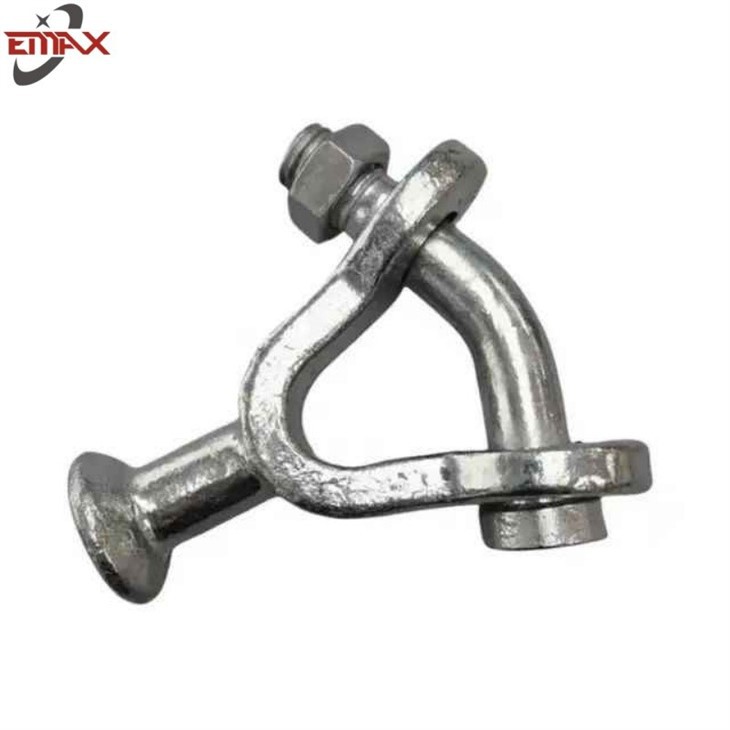
We also offer other related products like Hot Dip Galvanized U Bolt And Fastener, Galvanized Transmission Line Fitting Ball Clevis, and Customized U-Bolt Custom Bolt And Nut. These products also have environmental impacts similar to drop wire clamps.
The galvanizing process used in these products, for example, can have environmental implications. Galvanizing involves coating the metal with a layer of zinc to prevent corrosion. The production of zinc and the galvanizing process can be energy - intensive and may release pollutants. However, like with drop wire clamps, we're looking for more sustainable ways to produce these products.
Conclusion and Call to Action
In conclusion, drop wire clamps and related products do have environmental impacts throughout their life - cycle, from material sourcing to end - of - life. But as a supplier, we're committed to minimizing these impacts. We're constantly looking for ways to source materials more sustainably, improve our manufacturing processes, reduce transportation emissions, and promote recycling.
If you're in the market for drop wire clamps or any of our other products, we'd love to have a chat with you. We can discuss how we're working towards a more sustainable future and how our products can meet your needs. Contact us to start a conversation about your procurement needs and let's work together to make a positive impact on the environment.
References
- "Environmental Impacts of Metal Mining and Processing." Environmental Protection Agency.
- "Recycling of Metals: A Review." Journal of Cleaner Production.


