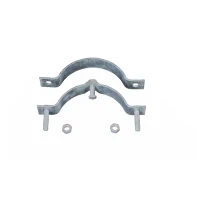
In the dynamic landscape of the electrical and infrastructure industry, dealing with a deaded bracket is a critical task that requires a comprehensive understanding of best practices. As a seasoned supplier of deaded brackets, I've witnessed firsthand the challenges and opportunities that come with ensuring the proper handling and management of these essential components. In this blog post, I'll share some of the most effective strategies and techniques for dealing with deaded brackets, drawing on my years of experience in the field.
Understanding the Basics of Deaded Brackets
Before delving into the best practices for dealing with deaded brackets, it's important to have a clear understanding of what they are and their role in various applications. Deaded brackets are typically used in electrical and telecommunications systems to support and secure wires, cables, and other components. They are designed to provide a stable and reliable connection, ensuring the safe and efficient operation of the system.
There are several types of deaded brackets available, each with its own unique features and benefits. Some common types include E span clamps, porcelain mast-mounted wireholders, and wire connection strain clamp bolts. These brackets are made from a variety of materials, such as steel, aluminum, and porcelain, depending on the specific application and environmental conditions.
Best Practices for Dealing with Deaded Brackets
1. Proper Installation
One of the most important aspects of dealing with deaded brackets is ensuring proper installation. This involves following the manufacturer's instructions carefully and using the appropriate tools and techniques. Here are some key tips for proper installation:
- Choose the Right Bracket: Select the appropriate deaded bracket for your specific application, taking into account factors such as the size and weight of the wires or cables, the environmental conditions, and the required load capacity.
- Prepare the Installation Site: Ensure that the installation site is clean, dry, and free of any debris or obstructions. If necessary, use a level to ensure that the bracket is installed horizontally or vertically, as required.
- Use the Right Fasteners: Use the appropriate fasteners, such as bolts, nuts, and washers, to secure the bracket to the mounting surface. Make sure that the fasteners are tightened to the recommended torque specifications to prevent loosening or failure.
- Follow Safety Procedures: Always follow safety procedures when installing deaded brackets, such as wearing appropriate personal protective equipment (PPE) and using a safety harness if working at height.
2. Regular Inspection and Maintenance
Regular inspection and maintenance are essential for ensuring the long-term performance and reliability of deaded brackets. Here are some key tips for inspection and maintenance:
- Inspect the Brackets Regularly: Conduct regular visual inspections of the deaded brackets to check for any signs of damage, corrosion, or wear. Look for cracks, bends, or other defects that could affect the bracket's performance.
- Clean the Brackets: Clean the deaded brackets regularly to remove any dirt, debris, or corrosion that could accumulate over time. Use a mild detergent and water to clean the brackets, and avoid using abrasive materials that could damage the surface.
- Tighten the Fasteners: Check the fasteners regularly to ensure that they are tightened to the recommended torque specifications. Loose fasteners can cause the bracket to shift or move, which can lead to failure or damage to the wires or cables.
- Replace Damaged Brackets: If you notice any signs of damage or wear during the inspection, replace the deaded bracket immediately. Using a damaged bracket can pose a safety hazard and can also lead to costly repairs or downtime.
3. Proper Storage and Handling
Proper storage and handling are also important for ensuring the quality and performance of deaded brackets. Here are some key tips for storage and handling:
- Store the Brackets in a Dry Place: Store the deaded brackets in a dry, cool place to prevent corrosion and damage. Avoid storing the brackets in areas that are exposed to moisture, humidity, or extreme temperatures.
- Protect the Brackets from Damage: Use appropriate packaging materials, such as plastic bags or boxes, to protect the deaded brackets from damage during storage and transportation. Avoid stacking the brackets on top of each other, as this can cause damage to the brackets.
- Handle the Brackets with Care: When handling the deaded brackets, use appropriate tools and techniques to prevent damage. Avoid dropping or throwing the brackets, as this can cause cracks or other defects.
4. Training and Education
Finally, providing training and education to your employees and customers is essential for ensuring the proper use and maintenance of deaded brackets. Here are some key tips for training and education:
- Provide Training to Your Employees: Provide comprehensive training to your employees on the proper installation, inspection, and maintenance of deaded brackets. This will help ensure that they have the knowledge and skills necessary to perform their jobs safely and effectively.
- Educate Your Customers: Educate your customers on the importance of proper installation, inspection, and maintenance of deaded brackets. Provide them with detailed instructions and guidelines on how to use and maintain the brackets, and offer them support and assistance if they have any questions or concerns.
- Stay Up-to-Date with Industry Standards and Best Practices: Stay up-to-date with the latest industry standards and best practices for dealing with deaded brackets. This will help you ensure that you are providing your customers with the highest quality products and services.
Conclusion
Dealing with deaded brackets requires a combination of knowledge, skills, and experience. By following the best practices outlined in this blog post, you can ensure the proper installation, inspection, and maintenance of deaded brackets, which will help ensure the long-term performance and reliability of your electrical and telecommunications systems.
If you're in the market for high-quality deaded brackets, I encourage you to explore our product offerings. We offer a wide range of brackets, including E Span Clamp For Secure Wire Attachment, 1-1/4" - 3" PORCELAIN MAST MOUNTED WIREHOLDER, and Wire Connection Strain Clamp Bolt, all of which are designed to meet the highest standards of quality and performance.


If you have any questions or would like to discuss your specific requirements, please don't hesitate to contact us. We're here to help you find the right deaded brackets for your needs and to provide you with the support and assistance you need to ensure their proper use and maintenance.
References
- Electrical Safety Foundation International. (n.d.). Electrical Safety Tips. Retrieved from https://www.esfi.org/safety-tips
- National Electrical Manufacturers Association. (n.d.). Standards and Codes. Retrieved from https://www.nema.org/Standards/Pages/default.aspx
- Occupational Safety and Health Administration. (n.d.). Electrical Safety Standards. Retrieved from https://www.osha.gov/electrical