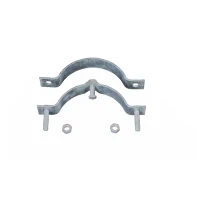
Rust is a common and persistent problem that can significantly impact the performance and lifespan of clevises. As a trusted supplier of Clevis or Hanger products, I understand the importance of preventing rust to ensure the durability and reliability of our offerings. In this blog, I will share some effective strategies on how to prevent a clevis from rusting, drawing on my experience in the industry.
Understanding Rust and Its Causes
Before delving into prevention methods, it's essential to understand what rust is and what causes it. Rust is a form of corrosion that occurs when iron or steel reacts with oxygen and water. This chemical reaction forms hydrated iron(III) oxides, which appear as the familiar reddish - brown flaky substance on the surface of metal.
Clevises are often made of steel or iron, making them susceptible to rust. Environmental factors such as high humidity, exposure to rain, and contact with saltwater can accelerate the rusting process. Additionally, scratches or abrasions on the surface of the clevis can expose the bare metal to oxygen and moisture, providing an entry point for rust to start.
Surface Treatments
One of the most effective ways to prevent rust is through surface treatments. These treatments create a barrier between the metal and the surrounding environment, protecting it from oxygen and moisture.
Galvanization
Galvanization is a widely used method for protecting metal from rust. It involves coating the clevis with a layer of zinc. Zinc is a sacrificial metal, which means that it corrodes before the underlying steel or iron. When the zinc layer is intact, it acts as a physical barrier, preventing oxygen and water from reaching the metal surface. Even if the zinc layer is scratched, it will still protect the underlying metal through a process called cathodic protection.
As a Clevis or Hanger supplier, we offer Zinc Plated One Hole And Two Hole Strap which is treated with a high - quality zinc plating. This plating not only provides excellent rust protection but also enhances the aesthetic appeal of the product.
Powder Coating
Powder coating is another popular surface treatment. It involves applying a dry powder to the clevis and then heating it to form a hard, durable finish. The powder coating provides a thick, protective layer that is resistant to scratches, chemicals, and UV rays. It also comes in a variety of colors, allowing for customization.
Painting
Painting is a simple and cost - effective way to protect clevises from rust. A good quality paint can create a barrier between the metal and the environment. However, it's important to prepare the surface properly before painting to ensure good adhesion. This may involve cleaning, sanding, and priming the clevis.
Lubrication
Lubrication can also play a role in preventing rust. Applying a thin layer of lubricant to the clevis can help to displace water and prevent oxygen from reaching the metal surface. There are various types of lubricants available, such as oil - based lubricants, silicone - based lubricants, and dry film lubricants.


Oil - based lubricants are effective at preventing rust, but they can attract dirt and dust. Silicone - based lubricants are water - resistant and have good lubricating properties. Dry film lubricants are ideal for applications where a clean, dry surface is required.
Proper Storage
Proper storage is crucial for preventing rust. Clevises should be stored in a dry, clean environment. If possible, they should be stored indoors to protect them from rain, snow, and high humidity. If the clevises need to be stored outdoors, they should be covered with a waterproof tarp.
It's also important to store clevises off the ground. Contact with the ground can expose them to moisture and dirt, increasing the risk of rust. Using pallets or racks to store the clevises can help to keep them dry and clean.
Regular Inspection and Maintenance
Regular inspection and maintenance are essential for preventing rust. Clevises should be inspected regularly for signs of rust, such as discoloration, flaking, or pitting. If rust is detected, it should be removed immediately to prevent it from spreading.
There are several methods for removing rust, such as sanding, wire brushing, and using chemical rust removers. After removing the rust, the clevis should be cleaned, primed, and painted or treated with a rust - preventive coating.
Use of Rust Inhibitors
Rust inhibitors are chemicals that can be applied to the surface of the clevis to prevent rust. They work by forming a thin, protective film on the metal surface that inhibits the oxidation process. Rust inhibitors can be used in addition to surface treatments or as a standalone protection method.
Application - Specific Considerations
Different applications may require different rust - prevention strategies. For example, clevises used in marine environments are exposed to saltwater, which is highly corrosive. In these cases, more robust surface treatments such as hot - dip galvanization or specialized marine - grade coatings may be necessary.
Clevises used in high - temperature environments may require heat - resistant coatings to prevent rust and maintain their structural integrity. Similarly, clevises used in chemical - rich environments may need coatings that are resistant to chemical corrosion.
Importance of Quality Products
As a Clevis or Hanger supplier, we understand the importance of providing high - quality products. Our clevises are made from high - grade materials and undergo strict quality control measures to ensure that they are resistant to rust. We also offer a range of products that are suitable for different applications, such as Parallel Groove Pg Clamp and Suspension Aerial Cable Slack Storage Accessories.
Conclusion
Preventing a clevis from rusting is essential for ensuring its performance and longevity. By using surface treatments, lubrication, proper storage, regular inspection and maintenance, and rust inhibitors, you can protect your clevises from the damaging effects of rust.
As a Clevis or Hanger supplier, we are committed to providing high - quality products and expert advice on rust prevention. If you have any questions or need assistance in selecting the right rust - prevention solution for your clevises, please don't hesitate to contact us for procurement and further discussion.
References
- Corrosion Basics: Understanding the Electrochemical Process of Rust, NACE International
- Handbook of Corrosion Prevention and Control, CRC Press
- Surface Engineering for Corrosion and Wear Resistance, Woodhead Publishing