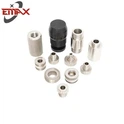
In the dynamic realm of electronics, optimizing the performance of hardware is a pursuit that never ends. As an established electronics hardware supplier, I've witnessed firsthand the transformative power of well-optimized hardware in various applications, from consumer gadgets to industrial machinery. In this blog, I'll share some insights and strategies on how to enhance the performance of electronics hardware, drawing on my years of experience in the industry.
Understanding the Basics of Electronics Hardware Performance
Before delving into optimization techniques, it's essential to understand the key factors that influence the performance of electronics hardware. These factors can be broadly categorized into three main areas: electrical characteristics, thermal management, and mechanical reliability.
Electrical Characteristics
The electrical performance of hardware is determined by factors such as power consumption, signal integrity, and electromagnetic interference (EMI). Power consumption is a critical consideration, especially in battery-powered devices, as it directly impacts battery life. Signal integrity refers to the quality of electrical signals transmitted through the hardware, which can be affected by factors such as noise, distortion, and impedance mismatches. EMI, on the other hand, can cause interference with other electronic devices and degrade the overall performance of the system.


Thermal Management
Heat is a natural byproduct of electronic components, and excessive heat can significantly impact the performance and reliability of hardware. Effective thermal management is crucial to ensure that components operate within their specified temperature ranges. This can be achieved through various techniques, such as heat sinks, fans, and thermal pads, which help dissipate heat away from the components.
Mechanical Reliability
Mechanical reliability refers to the ability of hardware to withstand mechanical stress, vibration, and shock without failure. This is particularly important in applications where the hardware is subjected to harsh environments or frequent movement. Factors such as component mounting, enclosure design, and material selection can all impact the mechanical reliability of hardware.
Strategies for Optimizing Electronics Hardware Performance
Now that we have a better understanding of the key factors that influence hardware performance, let's explore some strategies for optimizing it.
Component Selection
One of the most critical steps in optimizing hardware performance is selecting the right components. This involves considering factors such as electrical specifications, thermal characteristics, and mechanical reliability. When choosing components, it's important to work with reputable suppliers who can provide high-quality products that meet your specific requirements. For example, Clip for Electronical Usage is a reliable component that can be used in various electronic applications, providing secure connections and excellent electrical performance.
PCB Design
The printed circuit board (PCB) is the backbone of electronics hardware, and its design plays a crucial role in determining the overall performance of the system. A well-designed PCB can minimize signal interference, reduce power consumption, and improve thermal management. When designing a PCB, it's important to follow best practices, such as proper component placement, signal routing, and power distribution. Additionally, using high-quality PCB materials and manufacturing processes can help ensure the reliability and performance of the hardware.
Power Management
Efficient power management is essential for optimizing the performance of electronics hardware, especially in battery-powered devices. This involves using techniques such as power regulators, voltage converters, and energy-efficient components to minimize power consumption. Additionally, implementing power-saving features, such as sleep modes and automatic shutdown, can help extend battery life. For instance, precision power management components can be used to regulate the power supply to different parts of the hardware, ensuring that they operate at the optimal voltage and current levels.
Thermal Design
As mentioned earlier, thermal management is crucial for ensuring the performance and reliability of electronics hardware. When designing the thermal system, it's important to consider factors such as the heat dissipation requirements of the components, the available space for cooling solutions, and the environmental conditions in which the hardware will operate. Using high-quality thermal materials, such as heat sinks and thermal pads, can help improve heat transfer and reduce the temperature of the components. For example, Precision Stamping Parts For Electronics Terminal can be used in thermal management applications, providing excellent heat dissipation capabilities.
Testing and Validation
Once the hardware is designed and assembled, it's important to conduct thorough testing and validation to ensure that it meets the desired performance specifications. This involves using various testing techniques, such as functional testing, performance testing, and environmental testing, to identify and address any issues before the hardware is released to the market. Additionally, it's important to continuously monitor the performance of the hardware in the field and make any necessary adjustments or improvements based on the feedback received.
The Role of Quality Control in Performance Optimization
Quality control is an integral part of optimizing the performance of electronics hardware. By implementing a rigorous quality control system, we can ensure that the hardware meets the highest standards of quality and reliability. This involves inspecting and testing components at every stage of the manufacturing process, from incoming materials to finished products. Additionally, we can use advanced quality control tools and techniques, such as statistical process control and failure mode and effects analysis (FMEA), to identify and prevent potential quality issues.
Enhancing Performance through Innovation and Continuous Improvement
In the rapidly evolving field of electronics, innovation and continuous improvement are essential for staying ahead of the competition. As an electronics hardware supplier, we are constantly investing in research and development to explore new technologies and materials that can enhance the performance of our products. For example, we are exploring the use of advanced materials, such as graphene and carbon nanotubes, which have excellent electrical and thermal properties. Additionally, we are working on developing new manufacturing processes that can improve the efficiency and quality of our products.
Conclusion
Optimizing the performance of electronics hardware is a complex and ongoing process that requires a deep understanding of the key factors that influence performance, as well as the use of advanced design and manufacturing techniques. By following the strategies outlined in this blog, you can enhance the performance, reliability, and efficiency of your electronics hardware.
As an experienced electronics hardware supplier, we are committed to providing high-quality products and solutions that meet the diverse needs of our customers. If you are interested in learning more about our products or discussing your specific requirements, please feel free to contact us for procurement and further discussions. We look forward to working with you to achieve your goals in the field of electronics.
References
- "Electronics Design Handbook" by Jerry C. Whitaker
- "Thermal Management of Electronic Equipment" by Avram Bar-Cohen and Richard A. Simon
- "PCB Design for Manufacturability" by John I. Staudenmaier