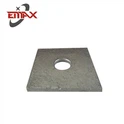
As a stamping parts supplier, I've been in the game for quite a while, and I know how crucial it is to ensure top - notch surface quality of stamping parts. In this blog, I'll share some practical tips and tricks on how to achieve that.


First off, let's talk about the raw materials. The quality of the material you start with has a direct impact on the surface quality of the final stamping part. We always source high - grade materials for our 304 Stamping Parts. For instance, if you're using metals like steel or aluminum, make sure they are free from scratches, rust, or any other surface defects. A little imperfection in the raw material can magnify during the stamping process and end up ruining the part. We also check the material's hardness and ductility. If the material is too hard, it might crack during stamping, and if it's too soft, it can deform in an unwanted way. So, finding that sweet spot is key.
Next up is the stamping die. The die is like the mold that shapes your stamping part, and its condition is super important. A well - maintained die will produce parts with a smooth surface. We regularly inspect our dies for wear and tear. Any nicks, scratches, or dents on the die can transfer onto the stamping part. If we notice any damage, we either repair or replace the die right away. Also, proper lubrication of the die is essential. Lubricants reduce friction between the die and the material, which helps prevent scratches and galling on the part's surface. We use high - quality lubricants that are specifically designed for stamping operations. This not only improves the surface quality but also extends the life of the die.
The stamping process itself needs to be carefully controlled. The stamping speed is one factor that can affect the surface quality. If the speed is too high, it can cause the material to stretch or tear, leading to rough surfaces. On the other hand, if it's too slow, it might result in inconsistent forming. We've spent a lot of time optimizing the stamping speed for different types of parts. For example, our Aluminum Corner C Bracket Hardware Stamping Parts require a different speed compared to other more complex parts.
Another aspect of the stamping process is the pressure applied. The right amount of pressure ensures that the part is formed correctly without any over - stretching or under - forming. We use advanced pressure sensors to monitor and adjust the pressure during stamping. This precision control helps us achieve a uniform surface finish across all the parts we produce.
After the stamping is done, post - processing steps play a big role in enhancing the surface quality. Deburring is one of the first things we do. During stamping, burrs can form on the edges of the parts. These burrs not only look bad but can also be a safety hazard. We use various deburring techniques, such as manual deburring with files and sandpaper for smaller parts, and automated deburring machines for larger batches.
Surface treatment is also an important post - processing step. We offer different types of surface treatments depending on the customer's requirements. For example, painting can provide a protective layer and improve the aesthetic appeal of the part. Electroplating can enhance the corrosion resistance and give the part a shiny finish. For our Metal Irregular Bending Bracket, we often recommend a zinc electroplating treatment to prevent rusting.
Quality control is an ongoing process in our production. We have a dedicated quality control team that inspects every stamping part before it leaves our facility. They use a combination of visual inspection and advanced measurement tools. Visual inspection helps us catch any obvious surface defects like scratches, dents, or color inconsistencies. Measurement tools, such as surface roughness testers, allow us to quantify the surface quality and ensure it meets the specified standards.
In addition to these technical aspects, our team's skills and experience are also vital. Our workers are highly trained in stamping operations. They know how to handle the materials, operate the stamping machines, and perform the post - processing steps correctly. We also provide regular training to keep them updated on the latest techniques and best practices in the industry.
To sum it up, ensuring the surface quality of stamping parts is a multi - step process that involves careful selection of raw materials, proper maintenance of stamping dies, precise control of the stamping process, effective post - processing, and strict quality control. By paying attention to these details, we've been able to produce high - quality stamping parts that meet the diverse needs of our customers.
If you're in the market for stamping parts and want to ensure the best surface quality, don't hesitate to reach out. We're here to provide you with top - notch products and excellent service. Let's start a conversation and see how we can work together to meet your stamping part requirements.
References:
- "Stamping Technology Handbook"
- Industry research reports on stamping part manufacturing
- Technical papers on surface quality improvement in stamping operations