


As a stamping parts supplier, ensuring the parallelism of stamping parts is crucial for the quality and functionality of the final products. Parallelism refers to the degree to which two or more surfaces or axes of a part are parallel to each other. In stamping operations, maintaining proper parallelism can prevent issues like uneven wear, misalignment, and poor fit in the assembly process. In this blog, I'll share some practical tips on how to ensure the parallelism of stamping parts.
1. Tooling Design and Manufacturing
The first step in ensuring parallelism starts with the design and manufacturing of the stamping tools. A well - designed tool is the foundation for producing high - quality stamping parts with good parallelism.
- Precision Machining: When manufacturing the stamping dies, use high - precision machining equipment. CNC (Computer Numerical Control) machining is a great option as it can achieve very tight tolerances. For example, the cutting edges of the dies should be machined to have a high degree of flatness and parallelism to each other. This ensures that when the stamping operation occurs, the force is evenly distributed across the part, reducing the chances of distortion that could affect parallelism.
- Material Selection for Dies: Choose high - quality die materials that have good wear resistance and dimensional stability. For instance, alloy steels are commonly used for stamping dies because they can maintain their shape and size over a large number of stamping cycles. If the dies deform due to wear or thermal expansion, it will directly impact the parallelism of the stamped parts.
2. Machine Setup and Calibration
The stamping machine itself plays a vital role in achieving parallelism. Proper setup and regular calibration are essential.
- Bed Leveling: Before starting the stamping process, make sure the machine bed is level. An uneven machine bed can cause the stamping force to be applied unevenly, leading to non - parallel parts. Use precision leveling tools like spirit levels or laser levelers to ensure the bed is perfectly horizontal.
- Die Alignment: Accurately align the stamping die on the machine. Misaligned dies can result in parts being stamped at an angle, thus affecting parallelism. Most modern stamping machines have alignment mechanisms, such as guide pins and bushings, which should be used correctly during die installation.
- Regular Calibration: Schedule regular calibration of the stamping machine. This includes checking the stroke length, pressure uniformity, and alignment of the moving parts. A well - calibrated machine will consistently produce parts with better parallelism.
3. Material Handling and Preparation
The quality and handling of the raw material also impact the parallelism of stamping parts.
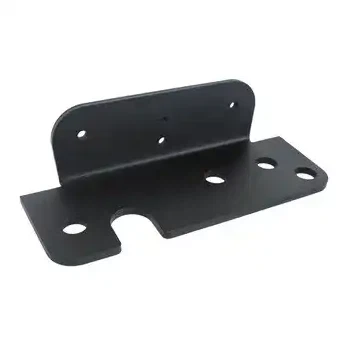
- Material Quality: Use high - quality sheet metal with consistent thickness and flatness. Any variations in the material thickness can cause uneven deformation during stamping, resulting in non - parallel parts. For example, if you're working with Air Conditioning Metal Bracket production, the quality of the metal sheet used will directly affect the parallelism of the final bracket.
- Coil Feeding: When using coil stock, ensure proper coil feeding. Uneven coil feeding can lead to tension variations in the material, causing it to stretch or warp during stamping. Use reliable coil feeding systems that can maintain a constant feed rate and tension.
- Material Cleaning: Clean the raw material before stamping. Dirt, debris, or rust on the material surface can cause uneven contact between the material and the die, affecting the stamping process and parallelism.
4. Process Monitoring and Quality Control
During the stamping process, continuous monitoring and quality control are necessary to ensure parallelism.
- In - process Inspection: Implement in - process inspection procedures. This can involve using measuring tools like calipers, micrometers, and optical measuring devices to check the parallelism of the parts at various stages of production. For example, after each stamping cycle, take random samples and measure the parallelism of critical surfaces.
- Statistical Process Control (SPC): Apply SPC techniques to monitor the stamping process. By collecting and analyzing data on part dimensions, including parallelism, you can detect trends and variations early. If the parallelism values start to deviate from the acceptable range, adjustments can be made to the process immediately.
- Automated Monitoring Systems: Consider using automated monitoring systems, such as vision inspection systems. These systems can quickly and accurately measure the parallelism of multiple parts in real - time. They can also detect any visible defects or irregularities that could affect parallelism.
5. Operator Training
Well - trained operators are key to ensuring the parallelism of stamping parts.
- Technical Training: Provide comprehensive technical training to operators on stamping machine operation, tooling setup, and quality control. They should understand the importance of parallelism and how different factors in the stamping process can affect it.
- Problem - solving Skills: Train operators to identify and solve common problems related to parallelism. For example, if they notice that the parts are coming out with poor parallelism, they should be able to troubleshoot issues like die misalignment or material feeding problems.
6. Post - processing and Finishing
After stamping, some post - processing steps can further improve parallelism.
- Deburring and Polishing: Remove any burrs or sharp edges from the stamped parts. Burrs can interfere with the proper measurement and assembly of the parts, and in some cases, can cause the part to appear non - parallel. Polishing the surfaces can also improve the overall flatness and parallelism.
- Heat Treatment (if applicable): For some stamping parts, heat treatment may be required to relieve internal stresses. These internal stresses can cause the part to warp over time, affecting parallelism. By properly heat - treating the parts, you can ensure their dimensional stability.
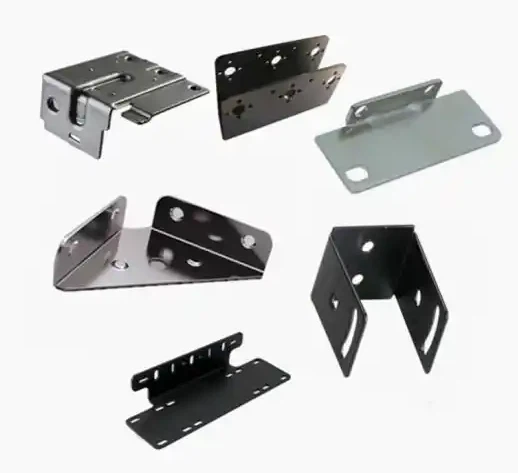
In conclusion, ensuring the parallelism of stamping parts is a multi - faceted process that involves tooling design, machine setup, material handling, process monitoring, operator training, and post - processing. By paying attention to each of these aspects, we can produce high - quality stamping parts that meet the strictest parallelism requirements. Whether you're looking for Laser Cutting Brass Sheet Metal Stamping Bending Machine Parts or Stamping Parts Steel Buckle, our company is committed to delivering parts with excellent parallelism.
If you're in the market for high - quality stamping parts with guaranteed parallelism, we'd love to have a chat with you. Reach out to us to discuss your specific requirements and let's start a successful business partnership.
References
- "Stamping Handbook" by Society of Manufacturing Engineers
- "Metal Forming: Processes and Analysis" by George E. Dieter


