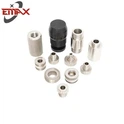
A drop wire clamp is a crucial component in electrical and telecommunications systems, used to securely connect drop wires to poles or other structures. Ensuring a secure connection with a drop wire clamp is essential for maintaining the integrity of the electrical or communication network. As a drop wire clamp supplier, I understand the importance of this process and am here to share some key strategies to achieve a secure connection.
Understanding the Basics of Drop Wire Clamps
Before delving into the steps to ensure a secure connection, it's important to understand the basic types and functions of drop wire clamps. Drop wire clamps come in various designs and materials, each suited for different applications. Common materials include galvanized steel, aluminum, and copper, chosen for their durability, conductivity, and resistance to corrosion.
The primary function of a drop wire clamp is to hold the drop wire firmly in place, preventing it from sagging, vibrating, or becoming detached. This is crucial for maintaining a stable electrical or communication signal, as any movement or disconnection can lead to signal loss, interference, or even electrical hazards.
Selecting the Right Drop Wire Clamp
The first step in ensuring a secure connection is selecting the right drop wire clamp for the specific application. Consider the following factors:
- Wire Size: The clamp must be compatible with the size of the drop wire. Using a clamp that is too small can damage the wire, while a clamp that is too large may not provide a secure grip.
- Material Compatibility: Ensure that the clamp material is compatible with the wire material to prevent galvanic corrosion. For example, using a copper clamp with an aluminum wire can lead to corrosion due to the difference in their electrochemical potentials.
- Environmental Conditions: Consider the environmental conditions where the clamp will be installed. If the area is prone to high winds, heavy rain, or extreme temperatures, choose a clamp that is designed to withstand these conditions. For instance, a Hot Dip Galvanized D Type Iron Bracket can provide excellent corrosion resistance in harsh outdoor environments.
- Load Requirements: Determine the load requirements of the drop wire, including the weight of the wire itself and any additional stress caused by wind, ice, or other factors. Select a clamp that can handle the expected load without failing.
Preparing the Drop Wire and Clamp
Once you have selected the appropriate drop wire clamp, it's time to prepare the drop wire and the clamp for installation. Follow these steps:
- Clean the Wire: Remove any dirt, grease, or oxidation from the surface of the drop wire using a wire brush or sandpaper. This will ensure a good electrical connection and improve the grip of the clamp.
- Inspect the Clamp: Check the clamp for any signs of damage or defects, such as cracks, bent parts, or loose screws. Replace any damaged clamps to ensure a secure connection.
- Position the Clamp: Place the clamp on the drop wire at the desired location, ensuring that it is centered and aligned properly. Some clamps may require specific positioning or orientation, so refer to the manufacturer's instructions.
Installing the Drop Wire Clamp
Proper installation is crucial for ensuring a secure connection with a drop wire clamp. Follow these general steps:
- Tighten the Clamp: Use the appropriate tools, such as a wrench or pliers, to tighten the clamp securely around the drop wire. Make sure to apply even pressure to prevent damage to the wire. However, avoid over-tightening, as this can also damage the wire or the clamp.
- Check the Tightness: After tightening the clamp, check the tightness by gently pulling on the wire. The wire should not move or slide within the clamp. If the wire moves, re-tighten the clamp until it is secure.
- Secure the Clamp to the Structure: Once the clamp is tightened around the drop wire, secure it to the pole or other structure using the appropriate hardware, such as bolts or screws. Make sure the clamp is firmly attached to prevent any movement or vibration.
Additional Considerations for a Secure Connection
In addition to the above steps, there are some additional considerations to ensure a secure connection with a drop wire clamp:
- Use Proper Insulation: If the drop wire is carrying electrical current, use appropriate insulation materials to cover the connection point. This will prevent electrical shock and reduce the risk of short circuits.
- Regular Inspections: Conduct regular inspections of the drop wire clamps to check for any signs of wear, damage, or corrosion. Replace any worn or damaged clamps promptly to maintain a secure connection.
- Follow Manufacturer's Instructions: Always follow the manufacturer's instructions for installation, maintenance, and use of the drop wire clamps. This will ensure that the clamps are used correctly and will perform as expected.
Related Products for a Comprehensive Solution
In addition to drop wire clamps, there are other products that can enhance the security and reliability of your electrical or telecommunications network. For example, a Galvanized Angle Suspension Clamp For Cable Bridges can be used to support and secure cables on bridges, while an Electric Cross Arm Angle Pole can provide a stable structure for mounting electrical equipment.
Conclusion
Ensuring a secure connection with a drop wire clamp is essential for the proper functioning of electrical and telecommunications systems. By selecting the right clamp, preparing the wire and clamp correctly, installing the clamp properly, and following additional considerations, you can achieve a secure and reliable connection. As a drop wire clamp supplier, I am committed to providing high-quality products and expert advice to help you ensure the security of your network. If you have any questions or need assistance with selecting the right drop wire clamp or related products, please feel free to contact us for further discussion and potential procurement opportunities.


References
- Electrical Installation Handbook, Schneider Electric
- Telecommunications Cabling Installation Manual, TIA/EIA
- National Electrical Code (NEC)