The production cycle of iron stamping parts can vary significantly depending on a multitude of factors. As a supplier of Iron Stamping Parts, I have had the opportunity to work on numerous projects, each with its own unique requirements and timelines. In this blog, I will delve into the key elements that influence the production cycle and provide insights based on my experiences in the industry.
Factors Affecting the Production Cycle
Design Complexity
The complexity of the design is one of the most significant factors that determine the production cycle of iron stamping parts. A simple, straightforward design with basic shapes and minimal features can be produced relatively quickly. On the other hand, a design with intricate details, complex geometries, or multiple bends and cuts will require more time and precision. For example, a simple flat washer can be stamped out in a matter of seconds, while a custom - designed automotive component with complex contours may take hours or even days to produce.
Material Selection
The type of iron material used also plays a crucial role in the production cycle. Different grades of iron have varying properties such as hardness, ductility, and thickness. Some materials are easier to stamp than others. For instance, soft iron is more malleable and can be stamped more quickly compared to high - strength alloy steels. Additionally, the availability of the material can impact the production cycle. If a particular grade of iron is in short supply, it may cause delays in the procurement process, thus extending the overall production time.
Quantity of Production
The quantity of iron stamping parts to be produced is another important factor. Small - batch production typically has a shorter production cycle as it requires less setup time and fewer resources. However, for large - scale production runs, more time is needed for tooling setup, quality control, and production scheduling. For example, producing 100 pieces of a stamping part may take a few hours, while producing 10,000 pieces will likely take several days or even weeks, depending on the complexity of the part.
Tooling and Equipment
The quality and availability of tooling and equipment are essential for the efficient production of iron stamping parts. High - quality stamping dies can significantly reduce the production time and improve the quality of the parts. However, the design and manufacturing of these dies can be time - consuming, especially for complex parts. If the tooling needs to be custom - made, it can add several weeks to the production cycle. Moreover, the condition of the stamping equipment also affects the production speed. Well - maintained machines will operate more smoothly and produce parts at a faster rate.
Quality Control
Quality control is an integral part of the production process. Inspecting each part to ensure it meets the required specifications takes time. For high - precision iron stamping parts, multiple inspections may be necessary at different stages of the production process. This includes checking for dimensional accuracy, surface finish, and any defects such as cracks or burrs. Quality control measures can add a significant amount of time to the production cycle, but they are crucial for ensuring customer satisfaction and product reliability.
Typical Production Cycle Stages
Design and Planning
The production cycle begins with the design and planning phase. This involves collaborating with the customer to understand their requirements, creating detailed engineering drawings, and selecting the appropriate materials. Depending on the complexity of the design, this phase can take anywhere from a few days to several weeks. During this time, the design team will also assess the feasibility of the design and make any necessary adjustments to ensure it can be produced efficiently.
Tooling Design and Manufacturing
Once the design is finalized, the next step is to design and manufacture the stamping dies. This is a critical stage as the quality of the dies directly impacts the quality of the final parts. The tooling design process may involve computer - aided design (CAD) and simulation to optimize the die design. Manufacturing the dies can take several weeks, especially for complex dies that require advanced machining techniques.
Production Setup
After the dies are ready, the production setup begins. This includes installing the dies on the stamping presses, adjusting the machine settings, and conducting test runs to ensure everything is working properly. The setup time can vary depending on the complexity of the part and the type of stamping equipment used. On average, the production setup can take a few hours to a couple of days.
Production
Once the setup is complete, the actual production of the iron stamping parts begins. The production rate depends on the complexity of the part, the speed of the stamping press, and the number of parts being produced. For simple parts, the production rate can be relatively high, with hundreds or even thousands of parts produced per hour. However, for complex parts, the production rate may be much lower.
Quality Inspection
After the parts are produced, they undergo a thorough quality inspection. This involves checking the parts for dimensional accuracy, surface finish, and any defects. Depending on the quantity of parts and the level of inspection required, this stage can take a few hours to several days.
Packaging and Shipping
Once the parts pass the quality inspection, they are packaged and prepared for shipping. The packaging process ensures that the parts are protected during transit. The shipping time depends on the destination and the shipping method chosen.


Examples of Production Cycles
Let's take a look at some examples to better understand how the production cycle can vary.
-
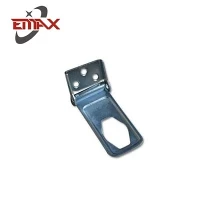
Simple Stamping Part: A simple Stamping Metal Part With Zinc Plating such as a small zinc - plated washer. The design is straightforward, and the material is readily available. The tooling can be designed and manufactured relatively quickly. The production setup is also simple, and the production rate is high. In this case, the production cycle from design to shipping can be as short as one to two weeks.
-
Complex Automotive Component: A Support Cover Stainless Steel Bracket for an automotive application. The design is complex, with multiple bends and contours. The stainless steel material requires special handling and processing. The tooling design and manufacturing are more time - consuming, and the production setup is more complex. Quality control is also more rigorous due to the high - precision requirements. In this case, the production cycle can range from four to eight weeks.
-
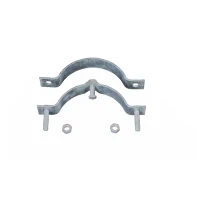
Large - Scale Production of Steel Buckles: For a large - scale production of High Quality Stamping Parts Steel Buckle, the production cycle will be longer due to the large quantity. Although the design may be relatively simple, the tooling setup and production scheduling need to be carefully planned. Quality control is also crucial to ensure consistency across all the parts. The production cycle for a large - scale order of steel buckles can be six to ten weeks.
Conclusion
In conclusion, the production cycle of iron stamping parts is influenced by various factors such as design complexity, material selection, quantity of production, tooling and equipment, and quality control. As a supplier, it is important to communicate these factors clearly to the customers to manage their expectations. By understanding the production cycle and the factors that affect it, we can work together with our customers to optimize the production process and deliver high - quality iron stamping parts in a timely manner.
If you are interested in purchasing iron stamping parts, we would be more than happy to discuss your specific requirements. Our team of experts can provide you with detailed information about the production cycle, pricing, and quality control measures. Contact us today to start the procurement process and let us help you find the best solutions for your needs.
References
- Metal Stamping Handbook, Second Edition, by Peter Ulintz
- Manufacturing Engineering and Technology, Fourth Edition, by Serope Kalpakjian and Steven R. Schmid