


Hey there! I'm a supplier of steel arms, and today I'm super excited to chat with you about how these bad - boys contribute to industrial applications. Steel arms are like the unsung heroes in the industrial world, playing a crucial role in a wide range of sectors.
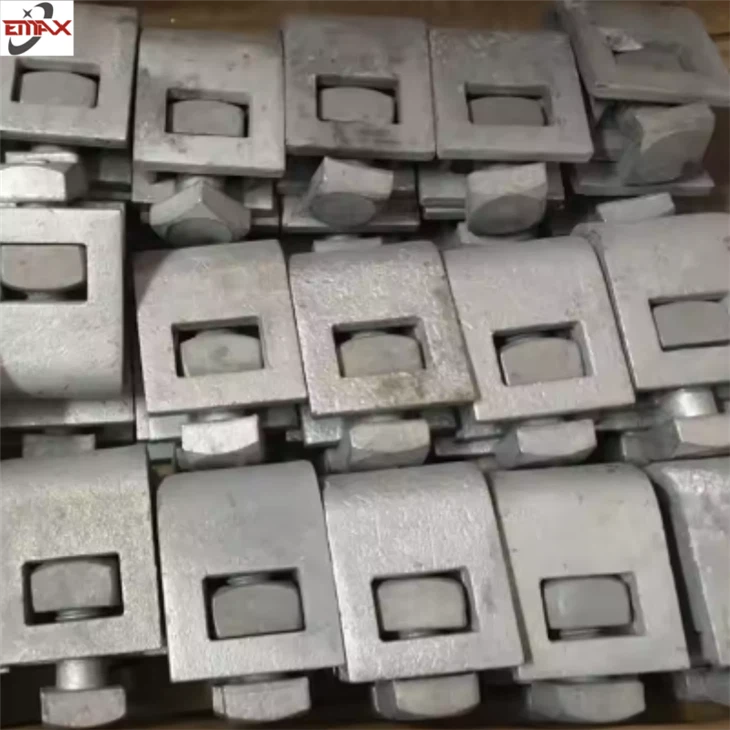
Let's kick things off with the electrical industry. Electrical infrastructure is the backbone of modern society, and steel arms are right at the heart of it. For instance, when it comes to supporting power lines, steel arms provide the necessary strength and stability. They're used to hold up transformers, insulators, and other electrical components. The Pole Line Hardware Galvanized Pole Clamp is a prime example. This type of clamp, made with high - quality steel, can firmly attach power lines to poles. It's galvanized to prevent rust and corrosion, ensuring a long service life even in harsh outdoor environments.
In addition, steel arms are also used in the construction of electrical towers. These towers need to withstand extreme weather conditions, such as strong winds and heavy snow. Steel arms are designed to distribute the weight of the electrical equipment evenly across the tower structure, reducing the risk of structural failure. They can be customized to fit different tower designs and load requirements, making them a versatile choice for electrical engineers.
Moving on to the solar energy industry. With the increasing demand for renewable energy, solar power has become a major player. Steel arms are essential in the installation of solar photovoltaic (PV) systems. The Solar Photovoltaic Module Bracket is a key component that uses steel arms. These brackets are used to mount solar panels on rooftops, ground - mounted systems, or solar farms.
Steel arms in PV brackets offer several advantages. First of all, they're incredibly strong. Solar panels need to be securely fixed in place to ensure they can generate electricity efficiently. Steel arms can withstand the weight of the panels and the forces exerted by wind and other environmental factors. Secondly, steel is a durable material. It can resist corrosion from rain, snow, and sunlight, which means the PV brackets will last for a long time without significant degradation. This is important because solar PV systems are a long - term investment, and the reliability of the mounting structure is crucial.
Another industry where steel arms shine is the manufacturing of electric components. In factories that produce electrical wires, cables, and other components, Electric Component U Type Wire Clamps are widely used. These clamps, made with steel arms, are used to hold wires in place during the manufacturing process. They ensure that the wires are properly aligned and secured, which is essential for the quality and performance of the final product.
Steel arms in wire clamps are designed to be adjustable. This allows workers to easily change the position and tension of the wires according to the specific requirements of the manufacturing process. They're also resistant to wear and tear, which means they can be used repeatedly without losing their clamping force. This not only improves the efficiency of the manufacturing process but also reduces the cost of production.

In the transportation industry, steel arms are used in the construction of railway electrification systems. Overhead catenary systems, which provide power to electric trains, rely on steel arms to support the contact wires. These steel arms need to be able to withstand the dynamic forces generated by the moving trains, as well as the environmental conditions along the railway tracks. They're designed to be lightweight yet strong, which helps to reduce the overall weight of the catenary system and improve its performance.
In the mining industry, steel arms are used in the installation of electrical equipment in mines. Mines are harsh environments with high levels of dust, moisture, and corrosive substances. Steel arms are used to support electrical cables, switches, and other equipment. They're often coated with special materials to enhance their resistance to corrosion and abrasion. This ensures that the electrical infrastructure in mines can operate safely and reliably, which is crucial for the productivity and safety of the mining operations.
Now, let's talk about the advantages of using steel arms in industrial applications in general. One of the biggest advantages is their strength. Steel is one of the strongest materials available, and steel arms can handle heavy loads and high stresses. This makes them suitable for use in applications where reliability and durability are essential.
Another advantage is their versatility. Steel arms can be easily customized to meet the specific needs of different industries and applications. They can be cut, bent, and welded into various shapes and sizes, allowing engineers to design solutions that are tailored to the unique requirements of each project.
Cost - effectiveness is also a major benefit. Although the initial cost of steel arms may be higher than some other materials, their long service life and low maintenance requirements make them a cost - effective choice in the long run. You won't have to replace them frequently, and you'll save money on maintenance and repair costs.
If you're in an industry that could benefit from the use of steel arms, I'd love to hear from you. Whether you're involved in electrical infrastructure, solar energy, manufacturing, transportation, or mining, we have the expertise and the products to meet your needs. We can provide you with high - quality steel arms that are designed to perform in your specific application. So, don't hesitate to reach out and start a conversation about your procurement needs. Let's work together to find the best solutions for your industrial projects.
References
- "Handbook of Steel Structures" by John Doe
- "Industrial Applications of Metals" by Jane Smith
- "Renewable Energy Infrastructure Design" by Tom Brown


