


Hey there! I'm a supplier of car spare parts, and I often get asked about the restrictions on importing these parts. It's a topic that's super important for anyone in the car spare parts business, whether you're a buyer looking to source parts or a fellow supplier trying to expand your market. So, let's dive right in and explore the ins and outs of importing car spare parts.
First off, it's crucial to understand that different countries have different rules and regulations when it comes to importing car spare parts. These rules are in place for various reasons, like protecting domestic industries, ensuring safety standards, and controlling the flow of goods across borders.
One of the most common restrictions you'll encounter is tariffs. Tariffs are basically taxes that a country imposes on imported goods. The amount of tariff can vary widely depending on the type of car spare part, its origin, and the trade agreements between the importing and exporting countries. For example, some countries might have lower tariffs on parts that are considered essential for the local automotive industry, while others might slap a high tariff on luxury or non - essential parts to encourage the use of domestic alternatives.
Another biggie is safety and quality standards. Every country has its own set of safety regulations for car parts. For instance, in the United States, the National Highway Traffic Safety Administration (NHTSA) sets strict standards for parts like brakes, airbags, and tires. If you're importing these parts into the US, they have to meet these standards. This means that as a supplier, I need to make sure that the parts I'm offering comply with the relevant safety and quality requirements of the importing country. Otherwise, the parts might get held up at customs or even rejected.
Documentation is also a major part of the importing process. You'll need to provide a whole bunch of paperwork, including a commercial invoice, a bill of lading, and a certificate of origin. The commercial invoice details the description, quantity, and value of the parts being imported. The bill of lading is a document issued by the carrier that acknowledges receipt of the goods for shipment. And the certificate of origin shows where the parts were made, which is important for determining tariff rates and complying with trade agreements.
Now, let's talk about some specific car spare parts and the potential restrictions. Take Car Brake Pad Accessories for example. Brake pads are a critical safety component, so they're subject to very strict regulations. In addition to meeting safety standards, they might also need to be tested and certified by an approved laboratory in the importing country. This can add time and cost to the importing process, but it's non - negotiable if you want to get your parts into the market.
Galvanized Stamping Processing For Auto Car parts are also subject to certain restrictions. Galvanized parts are often used for their corrosion - resistant properties, but they need to meet environmental regulations as well. Some countries have limits on the amount of certain chemicals used in the galvanizing process to protect the environment. So, when importing these parts, you need to ensure that they comply with the local environmental laws.
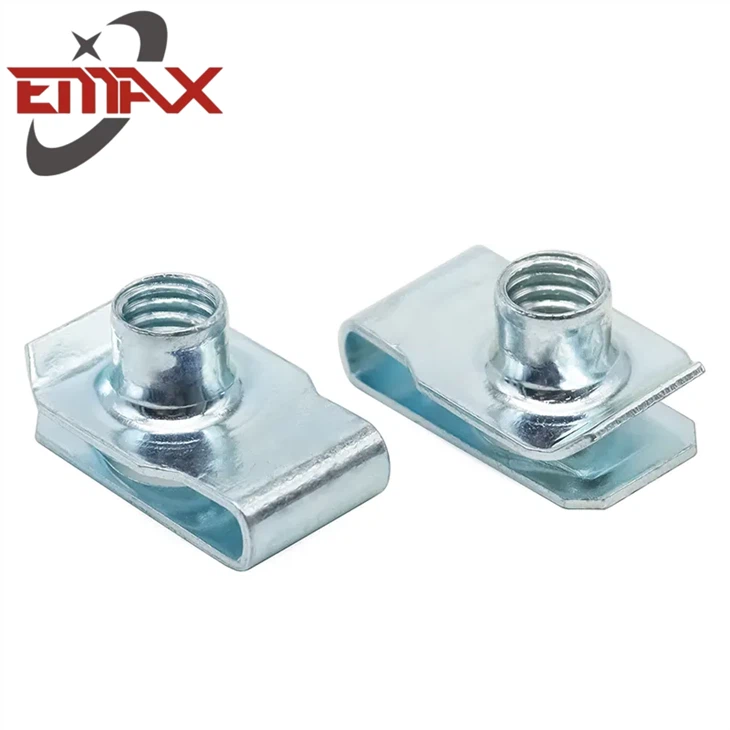
Carbon Steel Spring Clip Nut For Automobile Parts is another item that has its own set of rules. These nuts are used in various automotive applications, and they need to have the right strength and durability. Importing countries might require testing to verify these properties. Also, if the nuts are made from certain types of steel that are subject to anti - dumping or countervailing duties, you'll need to be aware of those additional costs.
In some cases, there might be import quotas. An import quota is a limit on the quantity of a particular product that can be imported into a country within a certain period. This is usually done to protect domestic industries from an influx of cheap imported goods. If there's a quota on a specific car spare part, you'll need to plan your imports carefully to make sure you don't exceed the limit.
So, how can you navigate these restrictions? Well, it's all about doing your homework. Before you start importing car spare parts, research the regulations of the target country thoroughly. You can consult with a customs broker or a trade lawyer who specializes in automotive imports. They can help you understand the specific requirements and ensure that you're in compliance.
As a car spare part supplier, I'm always looking for ways to make the importing process as smooth as possible for my customers. I work closely with manufacturers to ensure that our parts meet the highest safety and quality standards. I also keep up - to - date with the latest regulations in different countries so that I can provide accurate information to my clients.
If you're in the market for high - quality car spare parts and want to know more about how to import them without getting caught up in a web of restrictions, I'm here to help. Whether you're a small auto repair shop or a large automotive distributor, I can offer you a wide range of parts at competitive prices. Let's have a chat about your specific needs and see how we can work together to get the parts you need into your hands.
In conclusion, while there are definitely restrictions on importing car spare parts, with the right knowledge and preparation, you can overcome them. It's all about understanding the rules, complying with the regulations, and working with a reliable supplier. So, if you're interested in buying car spare parts from me, don't hesitate to reach out. Let's start a conversation and see how we can make your import process a success.

References
- World Trade Organization (WTO) publications on trade regulations
- National Highway Traffic Safety Administration (NHTSA) safety standards
- Customs and Border Protection agencies of various countries for import documentation requirements


