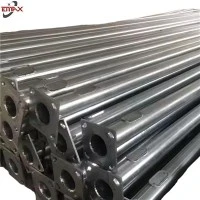
Are there any environmental impacts of using steel beam poles?
As a supplier of steel beam poles, I often get asked about the environmental implications of using our products. It's a crucial question in today's world, where sustainability and environmental protection are at the forefront of many industries. In this blog, I'll explore the various environmental impacts associated with steel beam poles, both positive and negative, and discuss how we as a supplier are working to minimize the negative effects.
Positive Environmental Impacts
Durability and Longevity
One of the most significant environmental benefits of steel beam poles is their durability. Steel is a robust material that can withstand harsh weather conditions, including strong winds, heavy rain, and extreme temperatures. This means that steel beam poles have a long lifespan, often lasting for decades without significant degradation. As a result, they don't need to be replaced as frequently as other materials, such as wood or concrete, reducing the overall demand for raw materials and energy used in the manufacturing process.
Recyclability
Steel is one of the most recycled materials in the world. At the end of their useful life, steel beam poles can be easily recycled and turned into new steel products. Recycling steel requires significantly less energy compared to producing new steel from raw materials. According to the World Steel Association, recycling steel saves up to 75% of the energy needed for primary steel production. This not only conserves natural resources but also reduces greenhouse gas emissions associated with the steelmaking process.


Design Flexibility
Steel beam poles offer a high degree of design flexibility. They can be fabricated into various shapes and sizes to meet specific project requirements. This means that engineers can optimize the design of steel beam poles to use the least amount of material while still providing the necessary strength and stability. By reducing the amount of steel used in each pole, we can minimize the environmental impact associated with material extraction and production.
Negative Environmental Impacts
Energy-Intensive Production
The production of steel is an energy-intensive process. It involves mining iron ore, transporting it to the steel mill, and then converting it into steel through a series of high-temperature processes. These processes require large amounts of fossil fuels, such as coal and natural gas, which contribute to greenhouse gas emissions. Additionally, the energy consumption associated with steel production can put a strain on local energy resources and contribute to air pollution.
Mining and Resource Depletion
The extraction of iron ore, the primary raw material for steel production, has significant environmental impacts. Mining operations can cause deforestation, soil erosion, and water pollution. The large-scale removal of topsoil and vegetation can disrupt ecosystems and lead to the loss of biodiversity. Moreover, the continuous extraction of iron ore can deplete natural resources over time, making it a less sustainable option in the long run.
Transportation Emissions
Once the steel beam poles are manufactured, they need to be transported to the construction site. This transportation process, whether by truck, train, or ship, generates greenhouse gas emissions. The emissions depend on the distance traveled, the mode of transportation, and the efficiency of the vehicles used. Longer transportation distances and less efficient vehicles can result in higher emissions, contributing to climate change.
Mitigating the Negative Environmental Impacts
Sustainable Steel Production
As a supplier, we are committed to sourcing steel from manufacturers that use sustainable production methods. Many steel mills are now implementing advanced technologies to reduce energy consumption and greenhouse gas emissions during the steelmaking process. For example, some mills are using electric arc furnaces, which can recycle scrap steel and require less energy compared to traditional blast furnaces. By partnering with these sustainable steel producers, we can ensure that our steel beam poles have a lower environmental impact.
Reducing Transportation Emissions
We are also taking steps to reduce the transportation emissions associated with our products. We work closely with our customers to optimize the delivery routes and use more fuel-efficient vehicles. Additionally, we encourage local sourcing whenever possible to minimize the distance traveled and reduce emissions. By reducing the carbon footprint of our transportation operations, we can contribute to a more sustainable supply chain.
Promoting Recycling
We actively promote the recycling of our steel beam poles at the end of their useful life. We provide information to our customers about the importance of recycling and the available recycling options in their area. By ensuring that our products are recycled, we can close the loop on the steel lifecycle and reduce the demand for new raw materials.
Related Products and Their Environmental Considerations
In addition to steel beam poles, we also offer a range of related stamping parts, such as Stamping Steel Plate With Holes, Stamping Machine Part By Laser Cutting, and Stamping Parts Steel Buckle Fittings. These products also have their own environmental impacts, but like our steel beam poles, they can be designed and produced in a more sustainable manner.
For example, the stamping process used to manufacture these parts can be optimized to reduce waste and energy consumption. By using advanced stamping techniques and precision tooling, we can minimize the amount of scrap material generated during production. Additionally, the use of laser cutting technology in some of our stamping parts can offer more precise cuts, reducing the need for additional processing and saving energy.
Conclusion
In conclusion, while there are both positive and negative environmental impacts associated with using steel beam poles, the overall picture is complex. The durability, recyclability, and design flexibility of steel beam poles offer significant environmental benefits. However, the energy-intensive production process, mining impacts, and transportation emissions cannot be ignored. As a supplier, we are committed to minimizing the negative environmental impacts of our products through sustainable sourcing, reducing transportation emissions, and promoting recycling.
If you are interested in learning more about our steel beam poles or our related stamping parts, and how they can be part of a sustainable project, we encourage you to contact us for a procurement discussion. We are always happy to work with our customers to find the most environmentally friendly solutions for their needs.
References
- World Steel Association. "Steel – The Sustainable Material." Accessed [Date].
- Environmental Protection Agency. "Recycling Basics." Accessed [Date].
- International Energy Agency. "Energy Efficiency in the Steel Industry." Accessed [Date].