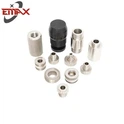
Copper is a versatile and widely used metal in the manufacturing of spare parts, valued for its excellent electrical conductivity, corrosion resistance, and malleability. As a leading supplier of copper spare parts, we are acutely aware of the importance of understanding the environmental impacts associated with our products. In this blog post, we will delve into the various aspects of the environmental footprint of using copper spare parts, from mining and production to usage and end-of-life management.
Mining and Extraction
The journey of copper spare parts begins with the mining and extraction of copper ore. Copper mining can have significant environmental impacts, primarily due to the large amounts of land disturbed, water consumed, and waste generated. Open-pit mining, which is the most common method of copper extraction, involves the removal of large quantities of earth and rock to access the ore bodies. This process can lead to deforestation, soil erosion, and habitat destruction, disrupting local ecosystems and biodiversity.
Moreover, copper mining operations often require substantial amounts of water for ore processing and dust suppression. In regions where water is scarce, this can exacerbate water shortages and put additional pressure on local water resources. Additionally, the waste generated from mining, known as tailings, can contain heavy metals and other pollutants that may leach into the soil and water, posing a risk to human health and the environment.
However, the mining industry has made significant strides in recent years to reduce its environmental impact. Many mining companies are implementing best practices such as land reclamation, water conservation, and waste management to minimize the negative effects of their operations. For example, some mines are using advanced technologies to recycle and reuse water, reducing their overall water consumption and minimizing the impact on local water supplies.
Production and Manufacturing
Once the copper ore is extracted, it is processed into copper metal through a series of refining and smelting operations. These processes also have environmental implications, primarily due to the energy consumption and emissions associated with them. Smelting, in particular, requires large amounts of energy, usually in the form of fossil fuels, which can contribute to greenhouse gas emissions and air pollution.
In addition to energy consumption, the production of copper spare parts also involves the use of various chemicals and additives, such as fluxes and coatings, which can have environmental impacts if not properly managed. These chemicals can contain toxic substances that may be released into the environment during the manufacturing process or disposal of the products.
To mitigate these environmental impacts, many copper manufacturers are adopting sustainable practices and technologies. For example, some companies are investing in renewable energy sources, such as solar and wind power, to reduce their reliance on fossil fuels and lower their carbon footprint. Others are implementing cleaner production methods and using environmentally friendly materials to minimize the use of hazardous chemicals and reduce waste generation.
Usage and Performance
One of the key advantages of copper spare parts is their long lifespan and high performance. Copper is known for its durability and corrosion resistance, which means that copper spare parts can often last for many years or even decades without needing to be replaced. This can reduce the environmental impact associated with the production and disposal of new parts, as fewer resources are required to manufacture and transport replacement components.
In addition to their long lifespan, copper spare parts also offer excellent energy efficiency. Copper's high electrical conductivity makes it an ideal material for use in electrical and electronic applications, where it can help to reduce energy losses and improve the overall efficiency of the system. This can result in significant energy savings and a reduction in greenhouse gas emissions over the life of the product.
End-of-Life Management
At the end of their useful life, copper spare parts can be recycled and reused to create new products. Copper is one of the most recyclable materials on the planet, and the recycling process consumes significantly less energy compared to the production of new copper from virgin ore. By recycling copper spare parts, we can conserve natural resources, reduce waste generation, and minimize the environmental impact of our products.
However, the effectiveness of copper recycling depends on the collection and sorting systems in place. In many parts of the world, the collection and recycling of copper scrap are not well organized, resulting in a significant amount of copper being lost to landfills or incineration. To address this issue, it is important to raise awareness about the importance of copper recycling and to improve the collection and sorting infrastructure to ensure that more copper is recycled and reused.
Conclusion
In conclusion, while the use of copper spare parts does have some environmental impacts, these can be minimized through the adoption of sustainable practices and technologies throughout the entire lifecycle of the products. From responsible mining and production to efficient usage and recycling, there are many ways in which we can reduce the environmental footprint of copper spare parts and contribute to a more sustainable future.
As a supplier of copper spare parts, we are committed to environmental stewardship and continuous improvement. We are constantly exploring new ways to reduce the environmental impact of our products and operations, and we work closely with our partners and customers to promote sustainable practices and raise awareness about the importance of environmental protection.
If you are interested in learning more about our copper spare parts or would like to discuss your specific requirements, please feel free to contact us. We would be happy to provide you with more information and assist you in finding the right solutions for your needs.


References
- "Copper: The Metal That Builds Our World." International Copper Association.
- "Sustainable Mining: Best Practices and Technologies." World Bank Group.
- "Recycling of Copper: A Review." Journal of Cleaner Production.